The Impact of Social Media on Customer Preferences in Fast Food
In the past decade, the fast food industry has undergone a remarkable transformation, not only in what it serves but also in how it connects with customers. Central to this change is social media—a force that now shapes what, why, and how people choose their favorite quick-service meals. With more than 5 billion people worldwide using social media as of 2024, platforms like Instagram, TikTok, Twitter, and Facebook wield unprecedented influence over consumer behavior. In this article, we explore the multifaceted impact of social media on customer preferences in fast food, delving into the psychology behind viral food trends, the role of user-generated content and reviews, how personalization and instant feedback shape menus, and the ever-growing sway of visual storytelling.
The Social Media Influence: A New Era in Fast Food Choices
Social media's reach is staggering—over 72% of American adults use at least one social network, according to Pew Research Center. For fast food brands, this means that millions of dining decisions are made or influenced online every day. Unlike traditional advertising, social media offers real-time engagement and allows brands to interact directly with customers, shaping preferences in ways never before possible.
Consider the meteoric rise of Popeyes' chicken sandwich in 2019, which sold out nationwide within weeks of its social media debut. The Twitter-fueled “chicken sandwich war” not only boosted Popeyes' sales by an estimated 38% that quarter but also shifted customer preferences across the industry, forcing competitors to launch similar products. This is just one example of how social media can trigger nationwide cravings and influence what people expect from their fast food experience.
.png)
Viral Trends and the Power of Digital Word-of-Mouth
One of the most significant ways social media shapes fast food preferences is through viral trends. Platforms like TikTok and Instagram have democratized influence, allowing ordinary users to spark new food crazes with a single video or post. Hashtags such as #FoodTok and #FastFoodHacks can rack up billions of views, turning menu items into must-try sensations overnight.
A recent study by the National Restaurant Association found that 45% of Gen Z and 32% of Millennials have tried a new fast food item after seeing it on social media. The “Pink Sauce” phenomenon on TikTok and the viral McDonald's “Grimace Shake” trend are prime examples—both products experienced massive demand spikes due to creative, user-driven content.
This digital word-of-mouth is often more trusted than traditional ads. According to Nielsen, 92% of consumers trust recommendations from individuals (even strangers) over brands. Thus, fast food companies are increasingly encouraging customers to share their experiences online, knowing that a single viral post can shift market demand.
User Reviews, Influencers, and the Democratization of Taste
Beyond viral trends, social media has given every customer a voice. Sites like Yelp and Google Reviews, along with influencers on Instagram and YouTube, have created a public forum where fast food quality, service, and innovation are scrutinized in real time. One negative TikTok review can deter thousands of potential diners, while a glowing endorsement from a popular foodie creator can propel a little-known menu item to stardom.
For example, in 2022, YouTuber Keith Lee’s review of a local Las Vegas pizzeria led to a 200% increase in sales for the restaurant within a week. Fast food brands now court influencers with millions of followers, sending them new products in hopes of favorable coverage.
But it’s not just about big names. User-generated content—photos, stories, and reviews from everyday customers—now plays a significant role in shaping preferences. According to a Sprout Social report, 70% of consumers say they are more likely to visit a restaurant if they see positive user-generated content about it on social media.
Visual Storytelling: How Food Presentation Drives Preferences
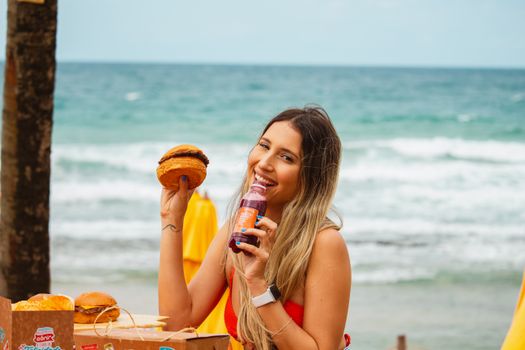
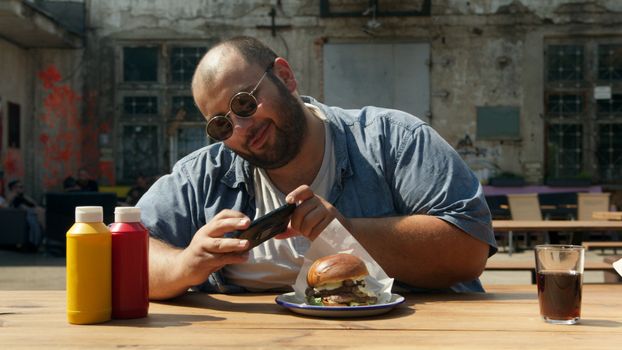
Fast food is no longer just about taste—it’s about aesthetics. Social media’s visual nature has pushed brands to rethink menu design, packaging, and even store interiors to be more “Instagrammable.” A 2023 survey by Zagat found that 60% of millennials consider how their food will look on social media before choosing where to eat.
Eye-catching visuals can make a menu item go viral. Think of Starbucks’ Unicorn Frappuccino or Taco Bell’s Nacho Fries—both products were designed with “shareability” in mind, resulting in millions of social media posts and record-breaking sales. The phenomenon is so pronounced that the hashtag #foodporn has accumulated over 300 million posts on Instagram as of early 2024.
To meet this demand, fast food brands now invest in professional food photography, limited-edition packaging, and even “selfie walls” at select locations. The goal? To turn every customer into a brand ambassador, eager to post and promote their meal online.
Personalization, Instant Feedback, and Menu Innovation
Social media also enables fast food brands to gather instant feedback and adapt quickly to shifting customer preferences. Polls, comment sections, and direct messages offer a real-time pulse on what customers want—often leading to rapid menu changes and the introduction of customizable options.
For example, Wendy’s famously revived its spicy chicken nuggets in 2019 after a single tweet from Chance the Rapper sparked a massive online campaign. Within days, more than 2 million people had engaged with Wendy’s on Twitter, and the item quickly returned to the menu.
This responsiveness extends to larger menu trends. According to a 2024 report by Technomic, 41% of fast food chains now offer limited-time menu items based on social media input, up from just 23% in 2019. This cycle of feedback and innovation keeps menus fresh and customers engaged, ensuring that fast food stays relevant to younger, more digitally savvy audiences.
Comparing Traditional Advertising and Social Media Influence
The shift from traditional advertising to social media-driven marketing is stark. The table below highlights key differences in how these channels impact customer preferences in the fast food industry.
| Aspect | Traditional Advertising | Social Media Influence |
|---|---|---|
| Reach | Billboards, TV, radio (broad but less targeted) | Global, highly targeted by demographics and interests |
| Interactivity | One-way communication | Two-way (brands and customers interact in real time) |
| Speed of Influence | Days to weeks | Instant (trends can arise in hours) |
| Trust | Corporate messaging | User-driven, peer recommendations |
| Cost | High (ad buys, production) | Variable; often lower, boosted by organic sharing |
| Data/Feedback | Limited, delayed (focus groups, surveys) | Immediate, granular (likes, comments, shares) |
The Psychological Impact: FOMO, Social Proof, and Fast Food Cravings
Social media doesn’t just inform—it persuades. Psychological phenomena like FOMO (Fear Of Missing Out) and social proof now drive many fast food choices. When users see friends or influencers enjoying a new menu item, they’re more likely to want to try it themselves. According to a 2023 study by Statista, 53% of social media users have experienced FOMO related to food and dining experiences, up from 37% in 2018.
Social proof—where people look to others’ behavior to guide their own—also plays a significant role. When a particular fast food product trends online, it is perceived as more desirable, regardless of its actual quality. This effect can lead to lines out the door and menu items selling out within hours of going viral.
Moreover, the dopamine rush associated with social media engagement—likes, comments, shares—can translate to positive associations with brands. Fast food companies now design online campaigns that encourage sharing, tagging, and participation, further amplifying this psychological cycle.
Looking Ahead: The Future of Customer Preferences in Fast Food
As social media continues to evolve, its impact on fast food preferences will only intensify. Augmented reality filters, live streaming, and AI-driven recommendations are set to make the digital dining experience even more interactive and personalized. Brands that harness these tools effectively will continue to shape what and how people eat.
Already, “ghost kitchens” and delivery-only brands are leveraging social media insights to create hyper-targeted menus for specific online audiences. With platforms like TikTok Shop and Instagram Shopping, ordering fast food could soon be as simple as tapping on a post.
Ultimately, the fusion of fast food and social media creates a feedback loop—customers influence brands, brands respond with new offerings, and the cycle repeats. The winners in this space will be those who listen closely, innovate quickly, and embrace the visual, shareable, and participatory nature of the modern digital landscape.