The Sizzling Influence: How Advertising Has Shaped the Fast Food Industry
Few sectors are as deeply entwined with the world of advertising as the fast food industry. From the earliest roadside diners to today’s global burger chains, advertising has been the driving force behind not only what people eat, but also how, where, and why they choose fast food. In the United States alone, fast food advertising spending reached an estimated $5 billion in 2023, reinforcing the industry’s relentless pursuit of consumer attention. But the impact of fast food advertising isn’t just about catchy jingles or iconic mascots—it’s about a cultural transformation that spans decades, demographics, and even eating habits worldwide.
This article explores how advertising has played a pivotal role in shaping the fast food industry. We’ll examine its evolution, the psychology behind its strategies, its role in global expansion, its influence on product innovation, and the ethical debates it has sparked. Armed with facts, figures, and examples, we’ll uncover the sizzling influence that advertising continues to exert on the way the world eats fast food.
The Early Days: Birth of Fast Food Advertising
The fast food industry’s relationship with advertising began in earnest in the post-World War II era. As American suburbs grew, so did the need for quick, convenient meals—and with it, the need to reach drivers and families on the go.
.png)
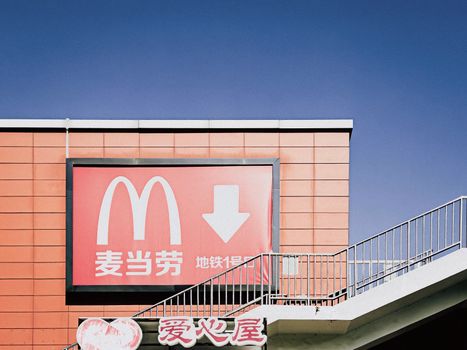
One of the earliest and most impactful campaigns was McDonald’s introduction of the Golden Arches in the 1950s. This instantly recognizable symbol wasn’t just about branding; it was a beacon for travelers looking for a quick meal. By 1970, McDonald’s had more than 1,000 locations, a feat attributed in part to its aggressive advertising campaigns and use of television, at the time a novel medium for reaching families during evening broadcasts.
Other chains soon followed suit. Burger King’s “Have It Your Way” campaign in the 1970s was a direct response to changing consumer preferences and established a new standard for customer choice. Meanwhile, Wendy’s “Where’s the Beef?” campaign in 1984 became a cultural phenomenon, exemplifying how a simple catchphrase could boost sales—in this case, helping Wendy’s achieve a 31% increase in annual revenue that year.
Psychology and Persuasion: The Science Behind Fast Food Advertising
Advertising in the fast food sector is rooted deeply in psychological principles. Fast food brands use a blend of color psychology, emotional appeal, and aspirational messaging to entice consumers. The use of red and yellow in logos and signage, for example, is no accident—studies show these colors stimulate appetite and attention.
Jingles and mascots are another example. Ronald McDonald, introduced in 1963, reportedly increased McDonald's brand recognition among children to over 90% by the 1980s. Similarly, the Taco Bell chihuahua, introduced in the late 1990s, helped the chain increase sales by 6% in a single year.
Targeted advertising is also a key tactic. In 2019, fast food companies in the U.S. spent over $1.5 billion on advertising aimed specifically at children and teens, according to the Rudd Center for Food Policy & Obesity. This early brand exposure can lead to lifelong preferences, as studies indicate that children exposed to fast food ads are twice as likely to request these foods and visit fast food restaurants.
Global Expansion: Exporting Fast Food Culture Through Advertising
One of the most profound impacts of advertising has been the globalization of fast food. Major brands like McDonald’s, KFC, and Subway have used localized advertising strategies to adapt their offerings and appeal to diverse markets.
For example, when McDonald’s entered India in 1996, it launched extensive advertising campaigns to highlight menu items tailored for local tastes, such as the McAloo Tikki burger. KFC’s “Finger Lickin’ Good” slogan was adapted for different countries—translated into Mandarin as “Eat your fingers off” in China, which became a viral talking point and boosted brand intrigue, even if it was a translation gaffe.
Advertising budgets reflect this push for global reach. According to Statista, McDonald’s spent over $447 million on advertising worldwide in 2022, while Yum! Brands (parent company of KFC, Taco Bell, and Pizza Hut) spent $265 million. These investments have paid off: McDonald’s now operates in over 100 countries, serving more than 69 million customers daily.
Innovation Driven by Advertising Trends
Advertising doesn’t just sell products—it shapes what fast food companies create. Menu innovations are often driven by marketing insights and trends spotted through advertising campaigns.
Consider the rise of limited-time offers (LTOs): In 2022, 67% of fast food customers said they were more likely to visit a restaurant offering new or seasonal items, according to a Technomic survey. Advertising campaigns for items like McDonald’s McRib, Taco Bell’s Nacho Fries, or Starbucks’ Pumpkin Spice Latte create a sense of urgency and exclusivity, driving spikes in store traffic.
Advertising has also influenced the trend toward healthier options. In response to criticism and changing consumer preferences, fast food giants began advertising salads, grilled items, and “fresh” ingredients. For example, Subway’s “Eat Fresh” campaign helped the chain grow from 13,000 stores in 2000 to over 41,000 by 2023, positioning itself as a healthier fast food alternative.
Below is a comparison table of notable advertising-driven innovations and their impact:
| Brand | Advertising Campaign | Innovation | Result |
|---|---|---|---|
| McDonald’s | “I’m Lovin’ It” | Global menu adaptation | Became world’s largest fast food chain by revenue |
| KFC | “Finger Lickin’ Good” | Localized flavors | Expanded to 145 countries by 2023 |
| Subway | “Eat Fresh” | Emphasis on health | Grew to 41,000 stores globally |
| Taco Bell | “Live Más” | Bold menu experimentation | Increased millennial market share |
Controversies and Ethical Challenges in Fast Food Advertising
While advertising has been a boon for fast food giants, it has also sparked significant controversy, particularly regarding health and targeting vulnerable audiences.
A 2021 study published in JAMA Pediatrics found that children aged 2 to 11 saw an average of 830 fast food ads per year on television alone. Critics argue that this exposure contributes to rising childhood obesity rates, which in the U.S. have tripled since the 1970s. As a result, cities like San Francisco and countries such as the United Kingdom have introduced regulations restricting fast food advertising during children’s programming.
Transparency and truthfulness in advertising are also ongoing concerns. “Health halo” marketing—where items are presented as healthier than they are—has led to legal challenges and consumer backlash. For instance, in 2016, Subway faced criticism for misleading claims about the nutritional quality of its bread and chicken products.
In response, some companies have adopted voluntary codes or joined initiatives like the Children’s Food and Beverage Advertising Initiative (CFBAI) to restrict certain types of advertising. However, critics argue that self-regulation is not enough given the vast sums still spent on marketing unhealthy food.
The Digital Era: Social Media and Data-Driven Fast Food Advertising
The last decade has seen a seismic shift in how fast food companies advertise. With the rise of digital platforms, brands now reach consumers via social media, mobile apps, and influencer partnerships.
In 2022, nearly 70% of all fast food advertising budgets in the U.S. were allocated to digital and mobile channels. Wendy’s, for example, became famous for its witty Twitter persona, amassing 3.8 million followers and earning millions of impressions through viral “roasts” of competitors. TikTok challenges, such as Chipotle’s #GuacDance, have generated billions of views and boosted sales—Chipotle reported its highest-ever digital sales day during the campaign’s launch in 2019.
Data-driven advertising has led to hyper-personalized offers. Mobile apps use location, order history, and browsing habits to deliver tailored promotions, increasing conversion rates by up to 40% compared to generic advertisements, according to a 2023 report from eMarketer.
Looking Ahead: The Future of Fast Food and Advertising
Advertising’s impact on the fast food industry shows no sign of fading. As technology evolves, so do the strategies—expect to see more augmented reality (AR) experiences, AI-driven personalization, and integrated loyalty programs. With concerns over health and sustainability rising, brands will likely lean into advertising campaigns that highlight plant-based options, eco-friendly packaging, and social responsibility.
Yet the core principle remains unchanged: advertising is the main engine driving fast food’s evolution, shaping not just what people eat, but how they see the world of quick service dining.