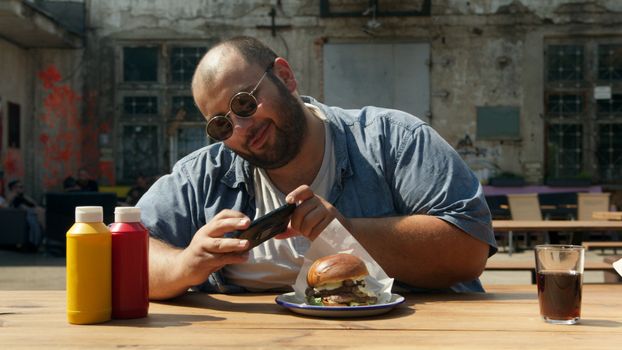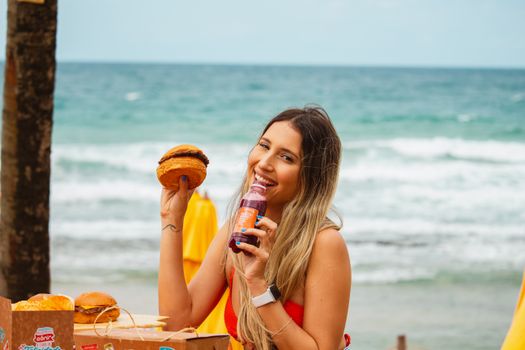
In an age where digital content and social media dictate what’s trending, influencer marketing has rapidly become a cornerstone of fast food advertising. Not only does it bridge the gap between brands and younger, harder-to-reach audiences, but it also offers a dynamic platform for storytelling, authenticity, and viral potential. In 2023 alone, the influencer marketing industry was valued at a staggering $21.1 billion globally, a testament to its effectiveness and growing dominance. For fast food brands, harnessing this strategy can mean the difference between a forgettable promotion and a nationwide craze. But how exactly can fast food advertisers use influencer marketing to maximize impact and drive real results? Let’s explore the strategies, best practices, and unique opportunities that set fast food influencer campaigns apart.
The Unique Value of Influencer Marketing for Fast Food Brands
Fast food is all about speed, convenience, and crave-worthy flavors. But in a crowded market, even the most beloved chains must continually refresh their image and stay top-of-mind for consumers. Influencer marketing offers several unique advantages:
1. $1 Consumers trust influencers more than traditional ads. In fact, a 2022 Nielsen study found that 71% of consumers trust social media recommendations from individuals, compared to just 33% for ads from brands. 2. $1 Influencers bring dedicated followings, from foodie audiences to local communities, enabling fast food brands to target campaigns with incredible precision. 3. $1 Whether it’s a TikTok dance challenge or a viral mukbang, influencers can spark trends that quickly spread nationwide, driving foot traffic and online orders.For example, McDonald’s “Famous Orders” campaign, which featured celebrities like Travis Scott and BTS, led to sold-out menu items and a 4.6% increase in same-store sales in the U.S. during the campaign quarter.
.png)
Choosing the Right Influencers: Micro, Macro, or Mega?
Not all influencers are created equal, and choosing the right partners is critical for campaign success. Influencers can generally be categorized by follower count:
| Influencer Type | Follower Count | Typical Engagement Rate | Best For | Example |
|---|---|---|---|---|
| Micro-Influencer | 10,000 – 100,000 | 3% – 7% | Local launches, niche promos | @foodie_jane (local food blogger) |
| Macro-Influencer | 100,000 – 1 million | 1% – 3% | Regional campaigns, brand awareness | @thefoodreviewguy |
| Mega-Influencer | 1 million+ | 0.5% – 2% | National launches, viral stunts | @addisonraee (TikTok star) |
Micro-influencers, for instance, may have smaller audiences but often boast higher engagement and trust. This is crucial for targeting local markets or promoting limited-time offers. Macro and mega-influencers, on the other hand, can deliver massive reach but may come with higher costs and lower per-follower engagement.
A successful fast food influencer campaign often blends these tiers. For example, Taco Bell’s “Taco Tuesdays” campaign combined micro-influencers in key cities with celebrity endorsements to amplify reach and engagement.
Crafting Campaigns for Maximum Engagement
The most effective influencer-driven fast food campaigns go beyond simple product placement. Modern consumers crave entertainment, relatability, and interactivity. Here’s how brands are making their campaigns stand out:
1. $1 In 2020, Chipotle’s “#GuacDance” TikTok challenge generated 250,000 video submissions and 430 million views in just six days, leading to a record-breaking 800,000 sides of guacamole served on National Avocado Day. 2. $1 Giving influencers access to kitchens, test menus, or staff stories can humanize the brand and spark curiosity. 3. $1 Collaborating with influencers to create limited-time menu items or “secret menu” hacks gives fans a reason to visit and share their experiences. 4. $1 Encouraging followers to post their own photos and videos with branded hashtags can amplify reach exponentially. Domino’s “#DominosDIY” pizza kit campaign, for example, saw a 19% uptick in Instagram mentions in one week.Crucially, brands must give influencers creative freedom. Audiences are quick to spot forced endorsements, so authenticity and personality should shine through every post.
Measuring Success: Key Metrics in Fast Food Influencer Marketing
Unlike traditional TV or billboard advertising, influencer campaigns offer a wealth of real-time data. To gauge the true impact of a campaign, fast food marketers should focus on metrics beyond just likes or shares:
- $1 Indicates how actively followers interact with content. Industry benchmarks show food-related influencer posts average a 3.5% engagement rate on Instagram. - $1 Track how often your fast food brand is tagged or discussed across social platforms. - $1 Assign unique promo codes or tracking links to influencers. This data can reveal exactly how much traffic and sales each influencer drove. - $1 Did restaurant visits, app downloads, or delivery orders increase during the campaign window? - $1 Was the campaign received positively? Monitoring comments and feedback can help refine future strategies.For instance, when Dunkin’ partnered with TikTok star Charli D’Amelio for a signature drink, the chain saw a 57% increase in app downloads on launch day and a 20% sales spike for cold brew coffees.
Navigating Challenges and Ensuring Compliance
While influencer marketing offers huge potential, it’s not without risks. Fast food brands must be proactive in addressing the following challenges:
1. $1 Influencers must clearly disclose paid partnerships, using hashtags like #ad or #sponsored. Failure to comply can result in fines and damaged brand reputation. 2. $1 Vet influencers carefully to avoid associations with controversial figures or past scandals. 3. $1 While creative freedom is vital, clear brand guidelines help ensure messaging aligns with company values and campaign goals. 4. $1 In the event of negative publicity or product issues, have a plan in place to address concerns quickly and transparently.A well-structured contract outlining content approval processes, deliverables, and compliance expectations is essential for smooth collaboration.
Future Trends: What’s Next for Fast Food Influencer Campaigns?
The landscape of influencer marketing is rapidly evolving. Here are some trends set to shape fast food advertising in the coming years:
- $1 While Instagram and TikTok remain top choices, fast food brands are experimenting with Twitch, YouTube Shorts, and even emerging platforms like BeReal to reach younger audiences. - $1 Virtual influencers, powered by artificial intelligence, are beginning to appear in marketing campaigns. KFC’s CGI “Colonel Sanders” influencer drew 1.2 million Instagram followers in its first year. - $1 Using micro-influencers to launch campaigns in specific neighborhoods or cities, often tied to new store openings or local menu items. - $1 Partnering with influencers who emphasize environmental or social responsibility, aligning with growing consumer demand for ethical fast food options.As new technologies and consumer preferences emerge, the brands that remain agile, creative, and authentic will continue to lead the fast food influencer marketing wave.
Final Thoughts on Maximizing Influencer Marketing in Fast Food
Influencer marketing is no longer a novel experiment; it’s a proven driver of awareness, brand affinity, and sales in the fast food industry. By understanding the nuances of influencer selection, campaign design, measurement, and compliance, fast food advertisers can create memorable campaigns that resonate with modern consumers. From viral challenges to signature menu collaborations, the possibilities are as limitless as the creativity of the influencers themselves. The brands that embrace authenticity and innovation will not just keep pace, but set the tempo for the future of fast food advertising.