At a time when both digital screens and physical spaces compete for consumer attention, fast food brands that masterfully blend online and offline marketing have a significant edge. The modern diner is as likely to discover a new burger through a geotargeted Instagram ad as they are to stumble into a restaurant because of a catchy window display or a local event. So, how can fast food businesses maximize sales growth by integrating the power of online and offline marketing? This article explores actionable strategies, real-world examples, and the latest data on how to combine digital and traditional outreach for measurable sales boosts.
Understanding the Power of Integration in Fast Food Marketing
The fast food industry is fiercely competitive. In 2023, the U.S. fast food market alone was valued at over $331 billion, with over 194,000 quick-service restaurants vying for customer loyalty. With digital marketing spend in the restaurant sector exceeding $5 billion annually, many brands focus heavily on online tactics. However, offline channels—such as in-store promotions, community events, and outdoor advertising—still play a crucial role.
Integrating both realms isn't just about running them side by side. It's about creating a seamless customer journey where each touchpoint, whether online or offline, reinforces the brand message and offers a cohesive experience. For fast food brands, this means connecting digital discovery with physical action—driving foot traffic, increasing order values, and building longer-lasting loyalty.
.png)
Key Strategies for Blending Online and Offline Marketing
Successful integration requires thoughtful planning. Here are several strategies fast food businesses can deploy:
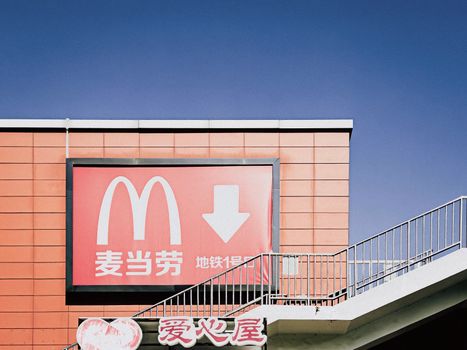
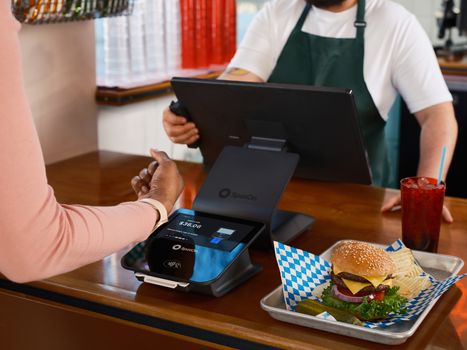
1. $1 Consistency is key. From the color palette on your social media pages to the uniforms your staff wear, customers should feel they’re engaging with the same brand whether online or offline. For example, McDonald’s “I’m Lovin’ It” slogan appears in TV ads, on digital banners, on packaging, and even in-store signage. 2. $1 Use online platforms to drive offline visits. For instance, Taco Bell’s app-exclusive coupons often require customers to redeem them at a physical location, bridging the gap between digital engagement and in-person sales. According to a 2022 Deloitte study, 55% of consumers are more likely to visit a restaurant after receiving a personalized digital offer. 3. $1 Loyalty apps that track purchases both online and in-store can encourage repeat business. Starbucks Rewards lets customers collect points whether they order through the app, online, or at the counter, creating a unified rewards experience. 4. $1 Promote community events—like new menu launches, charity fundraisers, or live music nights—across digital channels to drive local foot traffic. Social media geotargeting enables you to reach potential customers within a specific radius of your restaurant. 5. $1 Integrate technology into the dining experience. Self-service kiosks, QR code menus, and digital order displays not only streamline operations but also reinforce digital engagement. According to the National Restaurant Association, 65% of customers prefer restaurants that use technology to enhance convenience.Case Studies: Successful Fast Food Omnichannel Campaigns
Examining real-world examples can provide clarity on what works:
- $1 In 2018, Burger King encouraged users to download their app by offering a Whopper for just one cent, but only if they were within 600 feet of a McDonald’s. This creative campaign blended mobile engagement with offline action, resulting in 1.5 million app downloads and a 37% increase in mobile sales. - $1 Chick-fil-A combines hyperlocal Facebook ads with in-store events, such as “Family Night.” When these events are promoted digitally, the restaurants often see a 20-30% increase in attendance compared to events promoted only offline. - $1 Domino’s enables customers to order via Twitter, smart TVs, or even voice assistants, then pick up in-store or have food delivered. This frictionless integration of online ordering and offline fulfillment has helped Domino’s maintain a 3-year streak as the fastest-growing pizza chain in the U.S.Data-Driven Insights: Comparing Online and Offline Marketing Impact
To understand how these channels contribute to sales, consider the following data overview:
| Marketing Channel | Average ROI (%) | Customer Reach | Conversion Rate (%) | Cost per Acquisition (USD) |
|---|---|---|---|---|
| Social Media Ads | 250 | High (millions) | 1.8 | 2.50 |
| Email Campaigns | 420 | Medium (thousands) | 3.1 | 1.20 |
| Billboards | 150 | Medium-High | 0.7 | 8.00 |
| In-Store Promotions | 200 | High (walk-ins) | 2.2 | 3.80 |
| Local Events | 180 | Low-Medium | 4.0 | 5.00 |
This table highlights that while digital channels like social media and email offer high reach and ROI, offline tactics such as in-store promotions and local events often achieve higher conversion rates. The most effective strategy is to use these channels together, leveraging each one’s strengths.
Practical Ways to Link Online and Offline for Fast Food Sales Growth
Let’s break down how fast food brands can put integration into practice:
- $1 Place QR codes on packaging, receipts, and in-store displays that direct customers to your app, social media, or a landing page with a special offer. In 2023, more than 94 million U.S. smartphone users scanned QR codes, up 26% from 2020. - $1 Encourage customers to share their in-store experience on social media using a branded hashtag. Feature the best posts on your restaurant’s digital screens or website to close the online-offline loop. - $1 Use geo-fencing to trigger push notifications when users with your app are near your restaurant. A 2021 study found that geo-targeted mobile ads increase store visits by an average of 20%. - $1 Assign unique codes to offline ads (billboards, flyers, radio) that customers can redeem online or in-app. This not only incentivizes action but also provides valuable attribution data. - $1 Integrate your point-of-sale system with your digital marketing platforms to track which online campaigns drive in-store sales. Tools like Google Analytics 4 and CRM integrations can help connect the dots.Overcoming Common Challenges in Omnichannel Fast Food Marketing
While the benefits of integration are clear, several obstacles can arise:
- $1 When online and offline data isn’t shared between systems, it’s hard to get a complete view of the customer journey. Invest in integrated CRM and POS platforms to unify data streams. - $1 Employees must understand digital promotions and how to process online-offline rewards seamlessly. Regular training ensures smoother customer experiences. - $1 Mixed messages can confuse customers. Assign a brand manager or use marketing automation tools to ensure all channels communicate the same promotions and values. - $1 Balancing spend between online and offline can be tricky. Regularly review analytics to adjust budgets based on what’s driving the most incremental sales.The Future of Fast Food Marketing Integration
As technology evolves and consumer expectations shift, the lines between online and offline marketing will continue to blur. Emerging trends such as augmented reality (AR) menu previews, AI-powered chatbots for ordering, and digital loyalty programs tied to physical receipts are just the beginning.
By 2026, experts predict that over 60% of fast food transactions will be influenced by a mix of digital and physical touchpoints. Brands that invest early in omnichannel strategies will capture more market share and build stronger, more loyal customer bases.
Fast food restaurants that embrace integration—not just as a buzzword but as a core business philosophy—will be best positioned for sustained growth in an increasingly hybrid world.