In today's hyper-connected world, fast food brands are in fierce competition to capture—and keep—the attention of hungry customers. While traditional advertising, creative campaigns, and social media buzz all have their place, one tool is rapidly becoming the backbone of modern fast food marketing: the mobile app. From personalized offers to frictionless ordering, mobile apps have fundamentally reshaped how fast food brands attract, engage, and retain customers. But how exactly are mobile apps driving this transformation, and what can brands do to maximize their impact?
Mobile Apps: The New Front Door to Fast Food Brands
Mobile apps have become the go-to entry point for fast food lovers. According to Statista, the global food delivery app market size reached $150.6 billion in 2023, with fast food apps representing a significant share. In the United States alone, over 60% of fast food customers say they have at least one restaurant app on their phones—up from just 35% five years ago.
This shift is about more than just convenience. Mobile apps offer brands the opportunity to be present on the very screens customers interact with hundreds of times a day. With push notifications, personalized deals, loyalty programs, and easy mobile ordering, apps let brands reach customers at the perfect moment: when hunger strikes and decisions are being made.
.png)
A 2022 report by Deloitte found that 57% of quick-service restaurant (QSR) visits in the US involved some form of digital interaction, with mobile apps leading the way. The message is clear: if a fast food chain wants to remain top-of-mind, a compelling mobile app isn’t just nice to have—it’s essential.
Unlocking Customer Loyalty through Personalized Experiences
One of the most powerful aspects of mobile apps is their ability to transform generic customer interactions into deeply personalized experiences. By tracking order history, preferences, and even location, apps can deliver tailored offers that are far more likely to resonate.
For example, McDonald’s app leverages data to provide deals based on past orders. If a user frequently orders coffee in the morning, the app might send a push notification with a breakfast combo discount right before their usual order time. Starbucks, famous for its rewards app, reports that over 30% of its US transactions now come through its mobile platform, with tailored offers driving repeat visits.
Personalization goes beyond just discounts. Apps can remember favorite orders, suggest new menu items based on past choices, and even enable location-based services—like alerting staff to start preparing an order when a customer is approaching for pickup. This level of customization builds a sense of connection and loyalty that traditional advertising can’t match.
Seamless Ordering and Payment: Reducing Friction, Boosting Sales
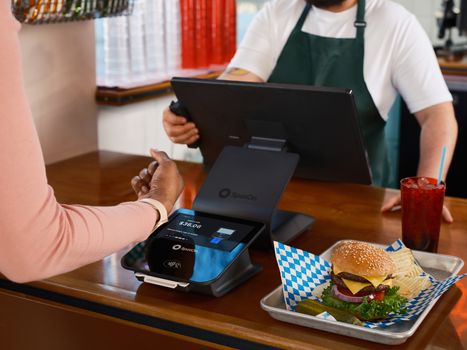
Convenience is king in fast food, and mobile apps excel at making the customer journey as frictionless as possible. Features like one-click reordering, saved payment methods, and GPS-powered store locators streamline the process from craving to consumption. In fact, a 2023 survey by PYMNTS.com found that 44% of fast food diners cited "ease of ordering" as their top reason for using a brand’s app.
Contactless payment options, such as Apple Pay and Google Pay integration within apps, have become especially important since the COVID-19 pandemic, when safety and speed became even bigger priorities. Taco Bell, for instance, saw its app sales grow by over 80% after adding contactless curbside pickup and mobile wallet features.
Additionally, many apps now allow for order customization in ways that are often easier than in-person ordering. This reduces errors, increases satisfaction, and encourages customers to try add-ons or premium ingredients—all boosting average ticket sizes.
Exclusive Offers, Gamification, and Rewards: Making Loyalty Fun
A key advantage of mobile apps is their ability to deliver exclusive, app-only offers and experiences. Fast food brands frequently use their apps to launch limited-time deals, secret menu items, and special promotions that are unavailable elsewhere. Wendy’s, for example, regularly features “app-exclusive” deals such as free fries with any purchase, driving app downloads and engagement.
Gamification is another strategy gaining traction. Brands like Burger King and Dunkin’ have experimented with in-app games, digital scratch-offs, and rewards “missions” that encourage customers to visit more often or try new menu items. According to a 2021 Deloitte study, 41% of customers say they are more likely to use a fast food app if it offers engaging loyalty programs.
The result? More frequent visits, larger orders, and a sense of excitement around the brand. The table below highlights some of the top-performing fast food loyalty apps and their key features:
| Brand | App Downloads (2023, US) | Key Loyalty Feature | Reported Impact |
|---|---|---|---|
| Starbucks | 22 million+ | Stars for every purchase, free drinks, birthday rewards | 30% of US sales via app, increased customer frequency |
| McDonald’s | 17 million+ | Personalized deals, order history, points for every $1 spent | App users spend 20% more per visit |
| Chick-fil-A | 12 million+ | Tiers of rewards, surprise treats, mobile ordering | Improved visit frequency, 45% digital sales growth |
| Taco Bell | 8 million+ | App-only offers, exclusive menu items, easy reordering | 80% app sales increase post-pandemic |
Real-Time Communication: Push Notifications and Customer Engagement
Push notifications are a direct line to customers—a marketing superpower when used wisely. Fast food brands use them to announce new menu items, remind customers of expiring rewards, or nudge them with timely offers (like an afternoon snack special at 3 p.m.).
However, there’s a fine line between engagement and annoyance. According to Airship’s 2022 Mobile App Customer Engagement Report, apps that personalize notifications see an 8x higher response rate than those that blast generic messages. For example, Domino’s Pizza uses AI to send pizza deals right before major sporting events, timing their messages when customers are most likely to crave a quick meal.
In-app messaging is another tool, letting brands highlight updates, surveys, or seasonal promotions without interrupting the user experience. These real-time communications can significantly boost short-term sales and keep the brand top-of-mind.
Data Insights: Understanding Customer Behavior Like Never Before
Perhaps the most transformative aspect of mobile apps is the treasure trove of data they generate. Every tap, order, and interaction provides valuable insights into what customers want, when they want it, and how they prefer to engage.
Fast food brands use app analytics to optimize everything from menu design to promotional timing. For instance, if a chain sees that a particular combo meal spikes in popularity on Friday nights, it can push special offers for that combo every Friday afternoon. If a segment of users consistently ignores dessert add-ons, the app can test new approaches or different incentives.
Data-driven marketing isn’t just about increasing sales—it’s also about improving customer satisfaction. By identifying pain points (like confusing navigation or payment glitches), brands can quickly implement fixes, creating a smoother and more enjoyable app experience. According to a 2023 Oracle Food & Beverage survey, 62% of restaurant operators said app data had a “significant, positive impact” on their marketing decisions.
Final Thoughts: The Future of Fast Food Marketing is Mobile
The role of mobile apps in fast food marketing has evolved far beyond being just another ordering channel. Today, the most successful brands see their apps as dynamic platforms for building relationships, delivering value, and earning loyalty—one personalized push notification, exclusive offer, or frictionless order at a time.
With millions of downloads, billions in sales, and ever-growing customer expectations, the question is no longer whether a fast food chain needs a mobile app, but how well it can leverage this tool to stand out in a crowded market. By investing in seamless experiences, smart data use, and creative engagement strategies, fast food brands can ensure their app is the first place hungry customers turn when cravings strike.