The fast food industry is in a state of constant evolution, shaped by shifting consumer preferences, environmental concerns, and the relentless pursuit of convenience. While menu innovation and marketing campaigns often steal the spotlight, the humble packaging plays a surprisingly powerful role in shaping customer perceptions and influencing buying decisions. In recent years, fast food packaging design has become a battleground for brand differentiation, sustainability, and emotional appeal. But what are the latest trends in fast food packaging, and how do they actually impact what, and how much, we buy?
The Rising Importance of Fast Food Packaging Design
When you think about your last fast food meal, you likely recall the taste, the speed, or perhaps the brand’s catchy jingle. Yet, studies show that packaging can make or break a consumer’s decision at the point of purchase. According to a 2023 report by Smithers, the global value of the food packaging market is projected to reach $411.3 billion by 2027, with fast food packaging representing a significant portion. Why? Because packaging is no longer just a vessel for food—it’s a core part of the brand experience.
A 2022 Ipsos survey found that 72% of consumers say packaging design influences their perception of a brand, and 63% admit it affects their purchasing decisions. In the fiercely competitive fast food industry, where margins are tight and loyalty is hard-won, packaging is a critical touchpoint that can tip the scales.
.png)
Eco-Friendly Packaging: Beyond Greenwashing
Sustainability is no longer a buzzword—it’s a baseline expectation. Fast food giants like McDonald’s, Burger King, and Taco Bell have pledged to make their packaging 100% recyclable or compostable within the next few years. This trend is driven by both regulatory pressure and consumer demand. In fact, a 2023 NielsenIQ study revealed that 69% of consumers prefer to buy from brands that use sustainable packaging.
But what does eco-friendly packaging look like in practice? Biodegradable wrappers, compostable cups, and plant-based cutlery have become commonplace. McDonald’s, for example, has replaced foam clamshells with fiber-based alternatives, and Starbucks is piloting reusable cup programs in select locations. These efforts are not just about optics—research shows that 55% of Gen Z consumers are willing to pay more for sustainable packaging, directly influencing buying decisions.
Here’s how some leading fast food chains compare in their commitment to sustainable packaging:
| Brand | Target Year for 100% Sustainable Packaging | Key Initiatives |
|---|---|---|
| McDonald’s | 2025 | Fiber-based wrappers, elimination of foam, recycling programs |
| Burger King | 2025 | Compostable straws, plant-based utensils, pilot reusable systems |
| Starbucks | 2030 | Reusable cup pilots, elimination of plastic straws, recyclable lids |
| KFC | 2025 | Compostable buckets, paper-based packaging, reduction of plastics |
The message is clear: eco-conscious packaging isn’t just about saving the planet; it’s a strategic move to win over environmentally aware consumers.
Minimalism and Visual Storytelling: Less Is More
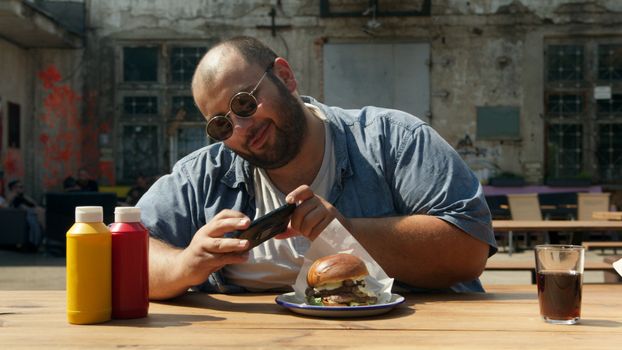
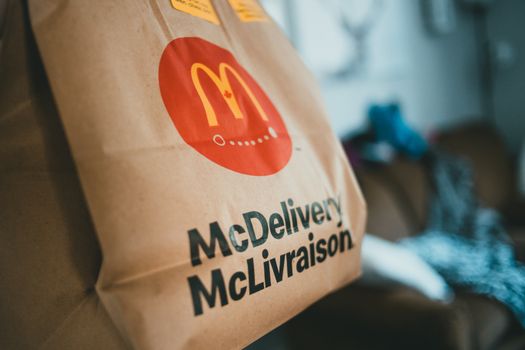
Another major trend is the shift toward minimalist, visually compelling packaging. Gone are the days of loud, cluttered designs. Today’s leading brands are embracing clean lines, bold logos, and concise messaging. This approach not only appeals to modern aesthetics but also makes packaging more Instagrammable—a crucial factor in the social media age.
Consider Chipotle’s brown paper bags, adorned with witty quotes and simple graphics. Or Shake Shack’s understated packaging, which lets the quality of the food take center stage. These designs project authenticity and confidence, signaling to customers that the brand doesn’t need flashy gimmicks to stand out.
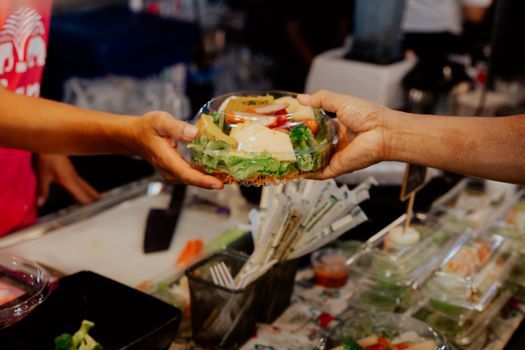
Visual storytelling is also on the rise. Brands are using packaging to share their origin stories, highlight local sourcing, or communicate commitments to social causes. For example, Sweetgreen’s bowls often feature messages about farm partnerships or sustainability initiatives. This creates a deeper emotional connection and increases the perceived value of the meal.
A study by the Paper and Packaging Board found that products with minimalist, informative packaging are 40% more likely to be perceived as high-quality by consumers. In the battle for attention, less really is more.
Functionality and Convenience: The Rise of Smart Packaging
Fast food is synonymous with speed and convenience. In recent years, packaging innovation has focused on making meals easier to transport, consume, and dispose of. Features like easy-open tabs, spill-resistant lids, and built-in sauce compartments are now standard at leading chains.
But the real revolution is happening in smart packaging. Some forward-thinking brands are experimenting with QR codes that unlock digital menus, nutritional information, or loyalty rewards. In China, KFC has piloted packaging with embedded NFC chips that connect to mobile payment apps, streamlining the purchase process. Domino’s even tested “pizza boxes” that fold into movie projectors, merging dining with entertainment.
Functionality extends to the delivery market as well. With third-party delivery apps booming—U.S. food delivery sales reached $26.5 billion in 2022—fast food outlets are redesigning packaging to keep food hot, fresh, and intact during transit. Tamper-evident seals and insulated materials are now common, helping build trust with customers concerned about food safety.
Color Psychology and Brand Identity: Triggering Emotional Responses
Colors, fonts, and imagery on fast food packaging aren’t just decorative—they’re carefully chosen to elicit specific emotions and behaviors. Red, for example, is known to stimulate appetite and is used heavily by brands like McDonald’s, Wendy’s, and KFC. Green communicates freshness and health, which is why chains like Subway and Sweetgreen use it prominently.
A 2021 study published in the Journal of Business Research found that fast food packaging using bright, warm colors increased impulse purchases by as much as 25%. Meanwhile, brands looking to communicate premium quality, such as Panera Bread, often use earth tones and elegant typography.
Packaging is also a key vehicle for seasonal promotions and limited-time offers. Think of Starbucks’ iconic red holiday cups or Taco Bell’s bold packaging for new product launches. These temporary designs create urgency and excitement, driving customers to try new items before they disappear.
Personalization and Interactive Experiences
One of the most exciting developments in fast food packaging is the move toward personalization and interactive experiences. Thanks to advances in digital printing, brands can now create unique packaging for special events, local campaigns, or even individual customers.
Burger King’s “Whopper Detour” campaign, for example, used geofencing and app integration to offer personalized packaging and deals to customers who visited a competitor’s location. Other chains have experimented with scratch-off games, collectible packaging designs, or augmented reality experiences that bring the brand story to life on your smartphone.
Personalization isn’t just a gimmick—it forges a sense of belonging and exclusivity. According to Deloitte’s 2022 Consumer Review, 36% of consumers are interested in personalized packaging, and 22% say it would make them more likely to become repeat customers.
Final Thoughts: The Power of Packaging in Fast Food Buying Decisions
Fast food packaging has evolved far beyond its utilitarian roots. Today, it is a powerful tool for storytelling, brand differentiation, and emotional engagement. From eco-friendly materials and minimalist designs to smart packaging and personalized experiences, the latest trends are all about connecting with consumers on a deeper level.
The numbers don’t lie: packaging design influences brand perception, purchasing intent, and even willingness to pay more. As the fast food landscape grows ever more crowded, brands that invest in innovative, sustainable, and emotionally resonant packaging will have a distinct edge.
Whether you’re grabbing a burger on the go or sharing a meal on social media, remember—the packaging you hold in your hands is shaping not just your meal, but your entire dining experience.