Fast food is a global phenomenon, but its appeal is anything but universal. While brands like McDonald's, KFC, and Burger King may have an international presence, the way they promote their products varies significantly from one market to another. This variation isn’t just about language translation or swapping beef for chicken; it’s about deeply understanding local cultures, values, and customs. The influence of culture and local customs on fast food marketing campaigns is profound, shaping everything from menu design to advertising slogans. In this article, we’ll explore how successful fast food marketing hinges on cultural adaptation, and why what works in one country might flop in another.
Global Brands, Local Flavors: The Power of Cultural Adaptation
Fast food chains operate in over 100 countries, serving billions of customers each year. According to Statista, McDonald’s alone had more than 40,000 outlets worldwide in 2023. But their approach is far from one-size-fits-all. Cultural nuances influence not just what’s on the menu, but how those items are marketed.
For instance, in India, where a significant portion of the population is vegetarian and beef is avoided for religious reasons, McDonald’s offers the McAloo Tikki burger—a potato-based patty tailored to local tastes. Meanwhile, in Japan, McDonald’s has found success with seasonal offerings like the Teriyaki Burger and Ebi (shrimp) Filet-O, often promoted with limited-time campaigns that tap into the Japanese love of novelty and seasonality.
.png)
KFC’s entry into China is another classic example. The brand adapted its recipes to suit the Chinese palate, incorporating local spices and side dishes like congee and egg tarts. KFC even changed its store design to resemble a family-friendly restaurant, aligning with Chinese dining customs that value shared meals with loved ones.
These adaptations are not just about taste—they’re strategic marketing decisions rooted in local culture. Research shows that brands that localize their products and messaging can see up to a 49% increase in brand engagement compared to those that do not (Nielsen, 2021).
Advertising Language: More Than Just Translation
Effective fast food marketing goes beyond translating slogans or menu items. It requires a deep understanding of local values, humor, and even taboos. A campaign that plays on American nostalgia might not resonate in Brazil, where consumers may be more responsive to family-oriented messaging or vibrant, energetic visuals.
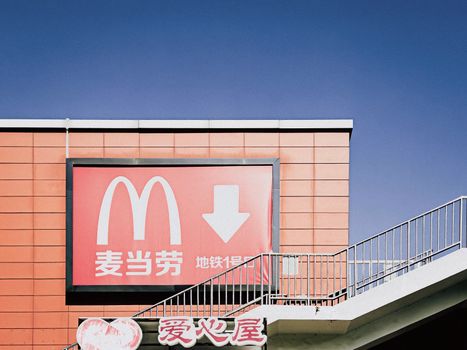
Take the McDonald’s “I’m Lovin’ It” slogan, which is adapted in various countries to fit local slang or cultural references. In France, the slogan is “C’est tout ce que j’aime” (“It’s all that I love”), emphasizing a more romantic and personal connection to food. In China, it becomes “我就喜欢” (Wǒ jiù xǐhuān), which roughly translates to “I just like it”—a phrase that fits Chinese language patterns and consumer sentiment.
Humor is another cultural minefield. What’s funny in the US may fall flat or even offend in countries with different comedic traditions. For example, self-deprecating humor, common in British advertising, might be misunderstood in more formal cultures.
Color symbolism is equally important. Red is associated with luck and prosperity in China, making it a popular choice for branding and advertising. However, in South Africa, red can be linked to mourning. Understanding these nuances is crucial for brands aiming to establish positive emotional connections.
Religious and Seasonal Customs Impacting Fast Food Marketing
Religious practices and seasonal traditions are powerful forces shaping fast food marketing strategy. In Muslim-majority countries, brands must offer halal-certified products and often launch special campaigns during Ramadan. According to the Pew Research Center, over 1.8 billion Muslims worldwide observe Ramadan, during which daytime fasting is common. Fast food brands respond by introducing special iftar (evening meal) deals and adjusting operating hours.
During the Hindu festival of Navratri in India, many consumers abstain from certain foods, including meat, onions, and garlic. Chains like Domino’s and McDonald’s create “Navratri-friendly” menus and promote them through targeted campaigns. Similarly, during Lent, many Americans and Europeans avoid red meat on Fridays. Fast food chains respond with limited-time fish sandwiches and seafood specials.
Seasonal and national holidays also drive localized marketing. In Japan, KFC’s “Kentucky Christmas” campaign has turned fried chicken into a Christmas Eve tradition for millions of families, a custom established through clever advertising in the 1970s. In the US, fast food chains ramp up patriotic themes around the Fourth of July, while in Mexico, Día de los Muertos inspires themed menu items and packaging.
Case Studies: Successes and Missteps in Cultural Marketing
Let’s look at some real-world examples of how cultural understanding can make—or break—a fast food campaign.
Success Story: McDonald’s in India McDonald’s launched its first Indian outlet in 1996. Recognizing the local aversion to beef and pork, the company introduced an entirely new menu featuring vegetarian and chicken-based products. Today, India is one of McDonald’s fastest-growing markets, thanks in large part to its culturally sensitive approach.
Misstep: Burger King’s “Whopper Sacrifice” Campaign In 2009, Burger King launched a Facebook campaign encouraging users to “sacrifice” 10 friends in exchange for a free Whopper. While the campaign gained attention in the US, it was criticized for promoting anti-social behavior and was quickly pulled. In more collectivist cultures, where relationships are highly valued, such a campaign would have likely caused even greater backlash.
Success Story: KFC in China KFC’s localization strategy in China is a textbook example of cross-cultural marketing. By adapting its menu, restaurant layout, and advertising to resonate with Chinese families, KFC now boasts over 9,000 outlets in China—more than in the US.
Misstep: Pepsi’s “Come Alive” Slogan Although not a fast food brand, Pepsi’s infamous translation blunder in China is a cautionary tale for all marketers. The slogan “Come alive with the Pepsi Generation” was reportedly mistranslated as “Pepsi brings your ancestors back from the dead,” a major faux pas in a culture that reveres ancestors.
Comparing Fast Food Marketing Approaches Across Cultures
To illustrate the differences in marketing strategies shaped by culture, here’s a comparative table of how major fast food brands adapt their campaigns in three key markets:
| Brand | United States | India | Japan |
|---|---|---|---|
| McDonald’s | Classic burgers, Super Bowl ads, “I’m Lovin’ It” slogan | Vegetarian menu, McAloo Tikki, Bollywood-style ads | Seasonal items (e.g., Teriyaki Burger), anime collaborations |
| KFC | Fried chicken buckets, family meal deals, NFL partnerships | Spicy chicken, vegetarian options, festival-based promotions | “Kentucky Christmas” campaign, bento meals, local flavors |
| Domino’s Pizza | Pepperoni pizza, online ordering, NFL tie-ins | Paneer and spicy pizzas, regional toppings, cricket promotions | Seafood pizzas, limited-time offers, manga-themed ads |
This table highlights that successful campaigns do not simply replicate a brand’s US strategy but are built around the tastes, values, and customs of each target market.
Challenges and Opportunities in Culturally-Informed Fast Food Marketing
Adapting marketing campaigns to local cultures presents both challenges and opportunities. On one hand, getting it right can lead to tremendous brand loyalty and market growth. According to a 2022 Nielsen survey, 64% of global consumers said they are more likely to buy from brands that demonstrate an understanding of their culture.
However, missteps can be costly. In 2018, Dolce & Gabbana’s culturally insensitive ad campaign in China led to massive backlash and a reported 98% drop in sales within the region (Business of Fashion, 2019). Fast food brands are not immune to such risks.
To navigate these challenges, brands often employ local marketing teams, conduct cultural consulting, and invest in market research. They also use social listening tools to monitor public sentiment and quickly adjust campaigns if negative reactions arise.
Digital platforms offer further opportunities for hyper-localization. With targeted social media ads, brands can customize messages for different cities, age groups, or even neighborhoods. For example, McDonald’s has run region-specific Snapchat and TikTok campaigns in Germany and the Philippines, using local slang and influencers.
The Future of Fast Food Marketing in a Multicultural World
As the world becomes increasingly connected, the need for culturally nuanced marketing grows. According to the United Nations, over 281 million people lived outside their country of birth in 2020, contributing to more multicultural societies. Fast food brands must cater not only to local customs but also to diverse immigrant communities.
Emerging trends include plant-based menus for health-conscious markets, partnerships with local celebrities, and campaigns that celebrate cultural diversity. In 2023, Subway launched a “Taste of Home” campaign in Canada, featuring sandwiches inspired by the country’s multicultural heritage.
Artificial intelligence and big data analytics now enable brands to predict consumer preferences based on cultural factors, allowing for even more precise campaign targeting. As global competition intensifies, the brands that succeed will be those that treat culture not as an obstacle, but as a rich source of inspiration.