The transition from traditional print advertising to digital marketing has reshaped the advertising landscape, reflecting the broader shift in consumer habits and technological advancements. This transformation is not just about changing mediums but also about adopting new strategies that leverage the power of the internet to engage audiences in innovative ways.
The Decline of Print Advertising
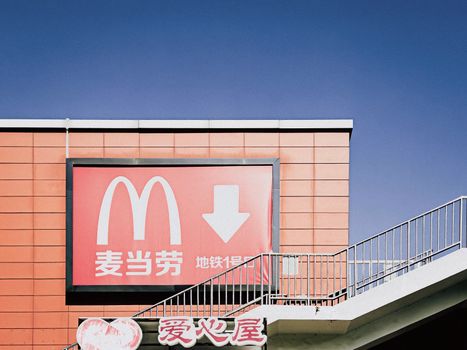
Print advertising has been a reliable tool for marketers for centuries, known for its ability to reach wide audiences through newspapers, magazines, and billboards. However, as consumer attention has shifted online, the effectiveness and reach of print advertising have diminished. The tangible nature of print, once considered an advantage, now limits its ability to adapt and interact in real-time with consumers.
.png)
The Rise of Digital Marketing
Digital marketing has become the focal point of modern advertising strategies due to its versatility and interactive nature. It encompasses various forms including:
- SEO (Search Engine Optimization): Enhancing online content to improve visibility in search engine results.
- PPC (Pay-Per-Click): Advertising where marketers pay each time their ad is clicked.
- Social Media Marketing: Utilizing platforms like Facebook and Instagram to engage directly with consumers.
- Content Marketing: Creating valuable content to attract and retain customers.
- Email Marketing: Directly reaching out to customers through email.
These methods offer a level of personalization and immediate feedback that print simply cannot match, allowing for more refined and effective marketing strategies.
Advantages of Digital Over Print
Measurability
Digital marketing provides detailed analytics that help marketers understand the effectiveness of their campaigns through real-time data. This enables quick adjustments to enhance reach and engagement, something that is considerably more challenging with print.
Cost-Effectiveness
Digital ads can be produced and disseminated quickly at a lower cost compared to print, making digital marketing more accessible for businesses of all sizes.
Targeted Reach
Digital platforms offer sophisticated tools to target specific demographics, making campaigns more relevant and effective. This precision helps in utilizing marketing budgets more efficiently, reducing waste on uninterested audiences.
Interaction and Engagement
Social media and other digital platforms facilitate direct interaction with consumers, helping to build relationships and foster brand loyalty. This level of engagement was unattainable with print media.
The Role of Emerging Technologies
Looking forward, technologies like AI and VR are poised to further revolutionize digital marketing. AI can enhance personalization, making marketing efforts more effective by predicting user behavior and tailoring messages accordingly. VR offers immersive experiences, opening new avenues for engaging consumers and providing them with unique, memorable interactions with brands.
The Continuing Role of Print
Despite the dominance of digital, print advertising still has its place, particularly in local markets or industries where traditional media is more trusted or remains prevalent. For some demographics and in certain contexts, print can have a strong impact, suggesting that a blended approach that combines both digital and traditional methods might be most effective.
Conclusion
The shift from print to digital marketing is a clear response to the changing dynamics of consumer behavior and technological advancements. Businesses that embrace this change and continuously adapt to new digital marketing strategies are likely to find greater success. The future of marketing lies in the ability to evolve with technology and maintain a flexible, responsive approach to consumer engagement. This ongoing transformation promises exciting opportunities for marketers willing to innovate and adapt.