The fast food industry is one of the most competitive markets in the world, with brands constantly vying for consumer attention and loyalty. While menu innovation and pricing play a role, advertising campaigns are often the driving force behind major shifts in brand perception and sales. Over the decades, several fast food advertising campaigns have not only achieved commercial success but have also become embedded in popular culture. What makes these campaigns so effective? By examining real-world case studies, we can uncover the key elements that turn a simple ad into a marketing triumph.
The Power of Storytelling in Fast Food Campaigns
Effective advertising goes beyond simply listing products or prices; it creates an emotional connection with the audience. Storytelling is a powerful tool used by many successful fast food campaigns to achieve this.
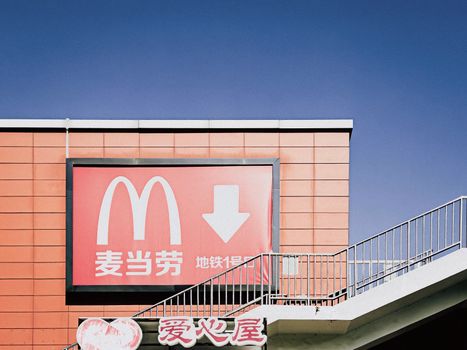
One of the most memorable examples is McDonald’s “I’m Lovin’ It” campaign, launched in 2003. Rather than focusing on menu items, McDonald’s centered the campaign around positive feelings and everyday moments that connect people to the brand. The catchy jingle, created with input from pop star Justin Timberlake, was translated into over 20 languages and used in more than 100 countries. According to McDonald’s, this campaign led to a 5.3% increase in global same-store sales during its first year. The key element here was a universal story – happiness and togetherness – that resonated with audiences worldwide.
.png)
Similarly, Wendy’s “Where’s the Beef?” campaign in the 1980s used a humorous, story-driven approach. The ad featured elderly women examining a rival burger and exclaiming the now-iconic line, “Where’s the beef?” This simple narrative not only entertained viewers but also highlighted Wendy’s unique selling proposition: more beef in every burger. Within a year, Wendy’s sales jumped 31%, and the catchphrase became part of American pop culture.
Celebrity Endorsements and Pop Culture Integration
Fast food brands often tap into the popularity of celebrities and pop culture trends to amplify their advertising reach. These partnerships can turn a routine product launch into a headline-grabbing event.
A prime example is Burger King’s 2019 “Moldy Whopper” campaign. While not a traditional celebrity endorsement, the campaign leveraged the growing trend of health and transparency in food by showing time-lapse footage of a Whopper decomposing over 34 days. This bold move highlighted Burger King’s removal of artificial preservatives and was discussed by influencers and news outlets worldwide. The result? A 14% increase in brand consideration among millennials, according to YouGov BrandIndex.
On the celebrity front, McDonald’s “Famous Orders” campaign in 2020 featured celebrities like Travis Scott, J Balvin, and BTS. Fans could order the exact meals these stars enjoyed, turning everyday fast food into a personalized, exclusive experience. The Travis Scott Meal alone led to supply shortages in some locations and a reported 4.6% increase in U.S. same-store sales in Q3 2020.
Harnessing the Power of Social Media and User Engagement
Modern fast food campaigns are often designed with social media virality in mind. Brands encourage user participation, hashtags, and sharing to expand their reach organically.
Taco Bell’s “#OnlyInTheApp” campaign in 2020 exemplifies this approach. The brand relaunched its popular Mexican Pizza exclusively through its mobile app, encouraging fans to download and share their experiences online. The promotion generated over 20,000 app downloads in a single day and trended on Twitter, demonstrating the power of integrating digital engagement with traditional advertising.
Another innovative example is KFC’s “11 Herbs & Spices” Twitter campaign. In 2017, the brand followed only 11 people on Twitter – the five Spice Girls and six men named Herb – a clever nod to their secret recipe. When a fan discovered this subtle joke, it went viral, earning over 1.1 million retweets and massive free publicity for KFC. This campaign cost little but generated immense brand buzz.
Localization and Cultural Sensitivity in Global Campaigns
As fast food brands expand internationally, the ability to localize advertising while maintaining consistent brand identity has proven crucial. Successful campaigns adapt to local tastes, languages, and cultural values without losing sight of their core message.
McDonald’s India provides a compelling case study. When entering the Indian market, McDonald’s faced a predominantly vegetarian population and cultural sensitivities around beef and pork. The brand launched the “McAloo Tikki” burger, tailored exclusively for Indian consumers, and promoted it through ads featuring local celebrities and cultural references. As a result, McDonald’s India saw a 30% year-on-year growth between 2011 and 2014, far outpacing the global average.
Similarly, Subway’s 2018 “Fresh Forward” campaign in the UK highlighted local produce and British suppliers, appealing to national pride and consumer demand for transparency. According to Kantar, this localized approach contributed to a 7% increase in UK store visits during the campaign period.
Comparing Key Elements of Successful Fast Food Advertising Campaigns
To better understand what sets these campaigns apart, let’s compare their strategies and results in the table below.
| Campaign | Brand | Key Element | Outcome | Year |
|---|---|---|---|---|
| “I’m Lovin’ It” | McDonald’s | Universal storytelling, global jingle | 5.3% global same-store sales increase | 2003 |
| “Where’s the Beef?” | Wendy’s | Humorous narrative, catchphrase | 31% sales increase | 1984 |
| “Moldy Whopper” | Burger King | Transparency, health trend | 14% higher brand consideration (millennials) | 2019 |
| “Famous Orders” | McDonald’s | Celebrity partnerships | 4.6% U.S. same-store sales increase | 2020 |
| “#OnlyInTheApp” | Taco Bell | Social media engagement, exclusivity | 20,000+ app downloads in one day | 2020 |
| McAloo Tikki Launch | McDonald’s India | Localization, cultural sensitivity | 30% annual growth (2011-2014) | 2011 |
Lessons from Fast Food Advertising Case Studies
Synthesizing these case studies, a few key lessons emerge for brands seeking to emulate their success:
1. Authentic storytelling is universal. Campaigns that tap into common emotions or experiences, such as happiness or humor, transcend borders and cultures. 2. Integration with pop culture amplifies reach. Leveraging celebrities or current trends gives campaigns instant credibility and mass appeal, especially with younger audiences. 3. Digital-first strategies are essential. Social media and mobile apps are not just add-ons but central platforms for engagement and viral growth. 4. Adaptability wins in global markets. Localizing marketing efforts while maintaining brand consistency leads to stronger connections and higher sales in diverse markets. 5. Boldness pays off. Unconventional approaches, such as showing mold on food or subtle social media jokes, can capture public imagination and drive word-of-mouth.Final Thoughts on Fast Food Advertising Success
The fast food industry’s most successful advertising campaigns demonstrate that creativity, cultural awareness, and a willingness to engage with consumers on multiple levels are key to winning hearts and wallets. Whether through storytelling, partnership with celebrities, digital engagement, or localization, these brands have shown that effective advertising is both an art and a science.
As consumer preferences and technology evolve, so too will the strategies that fast food brands use to capture attention. The common thread running through every successful campaign, however, is a deep understanding of the audience and a commitment to delivering messages that resonate. By learning from these case studies, both established brands and new entrants can craft campaigns that stand out in a crowded marketplace.