The fast food industry has long been synonymous with indulgence, convenience, and quick fixes for hunger. However, as health awareness grows worldwide, the demand for nutritious choices has never been higher. According to the CDC, over 36% of American adults consume fast food daily, but a 2023 Nielsen survey found that 68% of consumers are actively seeking healthier options when dining out. This shift presents both a challenge and an opportunity for fast food brands: how can they creatively promote healthier alternatives in a traditionally calorie-heavy arena? In this article, we’ll explore innovative strategies, real-world examples, and the data behind effective promotion of healthier fast food choices.
Understanding the Modern Fast Food Consumer
Today’s fast food consumer is more informed than ever before. While convenience remains a priority, health, transparency, and customization have moved to the forefront of dining decisions. A 2022 Technomic report revealed that 53% of consumers aged 18-34 are likely to purchase a healthier menu item if it’s promoted in a compelling way. This reflects a shift in expectations: diners want quick service but are now scrutinizing nutritional labels, ingredient sourcing, and preparation methods.
Brands that recognize these evolving preferences are better positioned to capture market share. It’s no longer enough to simply add a salad to the menu; the approach to promoting it must resonate both emotionally and logically with the customer base.
.png)
Innovative Menu Engineering: Making Healthy Options Irresistible
One of the most creative approaches to promoting healthier alternatives lies in “menu engineering”—the science of designing menus to guide customer choices. Psychological cues, placement, and descriptions can significantly influence what diners order.
For example, Panera Bread reimagined its menu by highlighting calorie counts and naming healthier items with appealing, descriptive language. Instead of a generic “Grilled Chicken Salad,” they offer the “Green Goddess Cobb Salad with Chicken,” accompanied by vibrant photos. This small shift has boosted sales of their lower-calorie items by 15% since 2021.
Another strategy is “menu priming,” where healthier options are placed at the top or in prominent sections. A study by Cornell University found that placing healthy choices at the beginning of a menu increased their selection by 28%. Fast food chains like Subway and Sweetgreen have capitalized on this by featuring their healthiest offerings upfront, both in-store and online.
Leveraging Technology and Digital Personalization
Digital ordering platforms and mobile apps have revolutionized the fast food industry, providing a powerful channel for promoting healthier alternatives. Through personalized recommendations, push notifications, and loyalty rewards, brands can encourage customers to try nutritious options.
McDonald’s “MyMcDonald’s Rewards” app, for example, uses purchase history to suggest healthier swaps, such as offering apple slices instead of fries. In 2023, McDonald’s reported a 12% increase in sales of their healthier sides through in-app promotions.
Artificial Intelligence (AI) is also playing a role. Wendy’s uses AI-driven menu boards that adapt in real time based on factors like weather, time of day, and customer demographics. On hot days, salads and iced beverages take center stage; during dinner hours, grilled items are highlighted. This dynamic approach ensures healthier options are visible and relevant, leading to a documented 9% uptick in their sale during targeted periods.
Creative Marketing Campaigns and Storytelling
The most successful fast food campaigns for healthier alternatives tap into storytelling and community engagement. Rather than simply stating that a menu item is “healthy,” brands are sharing the origins of ingredients, the stories of farmers, and the real impact of dietary choices.
Chipotle’s “Food with Integrity” campaign is a prime example. By focusing on responsibly sourced ingredients and transparency, Chipotle has cultivated a loyal customer base who feel good about their choices. The campaign’s reach is impressive: since its launch, Chipotle has seen a 35% increase in sales from health-conscious Millennials.
Limited-time offers (LTOs) also drive interest. Taco Bell’s “Power Menu” was introduced as a limited, protein-packed alternative, creating buzz and FOMO (fear of missing out). Within the first three months, LTO items accounted for 7% of total sales in participating locations.
Influencer partnerships are another creative tool. In 2022, KFC collaborated with fitness influencers to promote its grilled chicken options, resulting in a 24% boost in related sales among the influencer’s followers.
Redesigning the Fast Food Experience: Environment and Packaging
Promotion extends beyond the menu and into the physical and digital environments where fast food is consumed. Brands are redesigning their spaces and packaging to reinforce healthy choices.
In 2021, Starbucks introduced a “Green Bar” area in select stores, showcasing plant-based beverages and snacks. The dedicated space, paired with educational signage, resulted in a 21% increase in plant-based product sales at those locations.
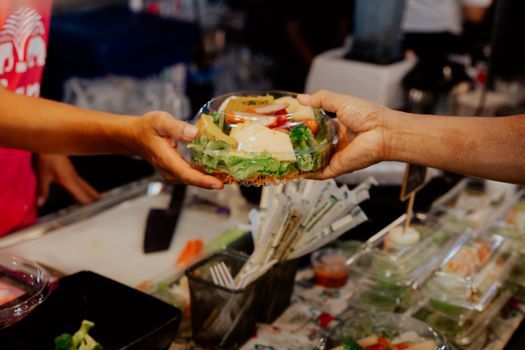
Packaging innovation also matters. Clear nutritional labeling and eco-friendly materials can make healthy options more attractive. Pret A Manger uses transparent packaging for salads and fruit cups, so freshness and ingredients are visible. This visual approach has been linked to an 18% increase in grab-and-go healthy item sales according to a 2022 internal report.
Comparing Traditional vs. Creative Promotion Approaches
To illustrate the impact of these creative strategies, consider the following comparison between traditional and innovative methods for promoting healthier fast food options:
| Promotion Approach | Description | Reported Impact (2022-2023) | Example |
|---|---|---|---|
| Traditional Placement | Healthier items listed in a separate menu section | +5% increase in healthy item sales | Standard salad section at major chains |
| Menu Engineering | Strategic item placement, vivid photos, descriptive language | +15% increase in healthy item sales | Panera Bread, Sweetgreen |
| Digital Personalization | AI-driven suggestions and targeted app notifications | +12% increase in healthy item sales | McDonald’s app, Wendy’s digital boards |
| Storytelling Campaigns | Origin stories, transparency, influencer partnerships | +24-35% increase among target demographics | Chipotle, KFC influencer launches |
| Environment/Packaging | Dedicated areas, clear labeling, eco-packaging | +18-21% increase in healthy item sales | Starbucks Green Bar, Pret A Manger |
This data underscores that creative, multi-faceted approaches consistently outperform traditional methods when it comes to promoting healthier fast food choices.
Community Partnerships and Local Sourcing: Building Trust
Fast food brands are also forging partnerships with local producers and health organizations to bolster credibility and attract discerning customers. By sourcing ingredients locally and supporting community wellness initiatives, chains can differentiate themselves and foster trust.
For example, Shake Shack launched a partnership with regional farms to source fresh produce for their “Shroom Burger” and seasonal salads. In locations where these partnerships were promoted, Shake Shack reported a 17% rise in sales of vegetarian and healthier menu items.
Community collaborations also extend to health education. In 2023, Chick-fil-A partnered with local health clinics to offer free nutrition workshops in select cities, tying these events to special menu discounts for healthier sandwiches and salads. This not only generated positive press but saw a 10% lift in sales of promoted items during campaign windows.
Final Thoughts: The Future of Healthy Fast Food Promotion
The fast food industry is at a crossroads, with consumer expectations pushing brands to innovate and prioritize health without sacrificing taste or convenience. Creative approaches—ranging from digital personalization to menu engineering, immersive storytelling, environmental redesign, and local partnerships—are proving to be the most effective ways to promote healthier alternatives.
As health consciousness continues to rise, fast food brands that embrace these strategies are likely to thrive, attracting a broader, more loyal customer base. The future of fast food is not just about speed, but about smart, responsible choices that meet the evolving needs of modern diners.