Fast food is a global phenomenon, shaping culture, consumer habits, and even language. From the golden arches of McDonald’s to the spicy chicken sandwiches of Popeyes, these brands have become more than just places to grab a quick meal—they are marketing powerhouses. What’s truly fascinating is how these fast food giants have used innovative marketing strategies to not only sell food but to create lasting emotional connections with customers. In this article, we’ll explore some of the best examples of fast food brands and dissect the marketing tactics that have propelled them to international fame. Along the way, you’ll discover surprising statistics, iconic campaigns, and the unique approaches that keep these brands at the top of their game.
The Global Reach of Fast Food Brands
Fast food is big business. According to Statista, the global fast food market was valued at $797.7 billion USD in 2021, with projections to reach $931.7 billion by 2027. The sheer scale of this industry means that brands must constantly innovate to stand out. The biggest names—McDonald’s, Subway, KFC, Burger King, and Taco Bell—have achieved international presence, adjusting their offerings and messaging for local markets.
For example, McDonald’s operates in over 100 countries with more than 40,000 outlets worldwide. But its success isn’t just about ubiquity; it’s about adapting to local tastes. In India, McDonald’s offers the McAloo Tikki burger to cater to vegetarian preferences, while in Japan, you’ll find teriyaki burgers and Ebi Filet-O shrimp sandwiches.
.png)
This global agility is a crucial marketing strategy. By blending global branding with local customization, fast food chains can appeal to a diverse array of consumers while maintaining brand consistency. This “glocalization” approach is why McDonald’s sells more than 75 hamburgers every second globally.
Branding That Sticks: The Power of Visual Identity
One of the most effective marketing strategies in fast food is the creation of a memorable, instantly recognizable brand identity. Consider the following:
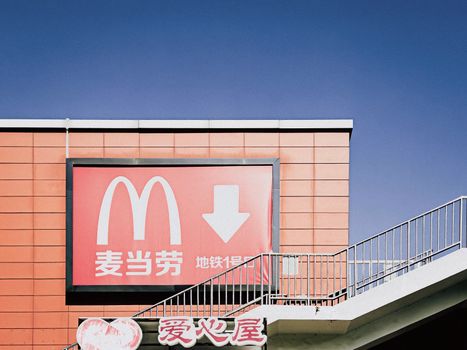
- McDonald’s golden arches are recognized by 88% of people globally, surpassing even the Christian cross in some surveys. - KFC’s use of Colonel Sanders’ image has become synonymous with fried chicken worldwide. - Subway’s green and yellow color palette is now shorthand for customizable, “fresh” fast food.Visual branding doesn’t just stop at logos. Packaging, uniforms, restaurant decor, and even the look of the food itself are carefully curated to reinforce brand identity. This consistency ensures that whether you’re in Paris, Texas or Paris, France, you’ll have a familiar experience.
Additionally, slogans play a major role. “I’m Lovin’ It” (McDonald’s), “Have It Your Way” (Burger King), and “Eat Fresh” (Subway) are catchphrases that encapsulate the unique selling proposition of each brand. These slogans are backed by significant advertising spend—McDonald’s alone spent $654.7 million on advertising in the US in 2022—cementing them into the public consciousness.
Iconic Campaigns and Cultural Moments
Fast food marketing is about more than just pushing products—it’s about creating cultural moments. Some of the most memorable advertising campaigns have come from the fast food sector.
One standout example is the “Whopper Detour” campaign by Burger King in 2018. By offering customers a Whopper for just one cent if they ordered from within 600 feet of a McDonald’s location, Burger King turned its main competitor’s presence into an opportunity. The campaign generated over 1.5 million app downloads and a 37.5% increase in mobile sales.
Popeyes’ viral chicken sandwich launch in 2019 is another powerful case. A simple tweet ignited a social media frenzy, with consumers comparing Popeyes’ sandwich to Chick-fil-A’s. The buzz resulted in sold-out locations, a 38% increase in sales for Popeyes in the third quarter of 2019, and a playbook for how brands can harness the power of online conversation.
Even nostalgia is a potent tool. McDonald’s has reintroduced classic menu items and retro Happy Meal toys to drive engagement and social sharing. By tapping into childhood memories, these campaigns create emotional connections that transcend generations.
Leveraging Technology: Mobile, Delivery, and Loyalty Programs
Fast food chains have led the way in embracing technology to enhance convenience and customer engagement. Mobile apps, delivery platforms, and loyalty programs have become critical components of their marketing strategies.
- McDonald’s mobile app has over 40 million active users in the US alone, providing personalized deals and easy ordering. - Domino’s, once trailing its competitors, has become a leader in digital ordering, with more than 75% of its sales generated through digital channels in 2022. - Starbucks’ loyalty program, which is closely tied to its mobile app, boasts 30 million active members in the US, driving repeat business and higher average order values.These platforms allow brands to gather valuable data about consumer preferences and behaviors, enabling more targeted marketing. Push notifications, personalized offers, and gamified loyalty challenges keep users engaged and encourage frequent visits.
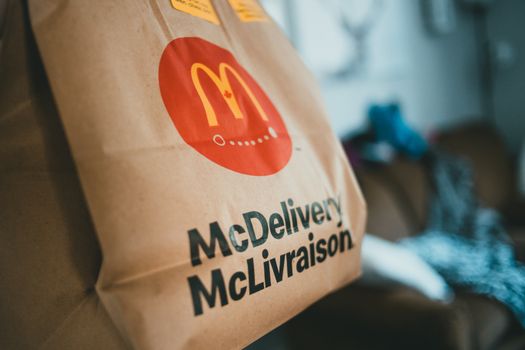
Moreover, the surge in food delivery, accelerated by the COVID-19 pandemic, has pushed fast food brands to optimize partnerships with DoorDash, Uber Eats, and Grubhub, as well as invest in their own delivery fleets. In 2021, US consumers spent $51 billion on delivery services, with fast food accounting for a substantial share.
Social Media and Viral Engagement
Fast food brands are among the savviest players on social media, using humor, memes, and real-time engagement to reach younger audiences. Wendy’s has become legendary for its sassy Twitter personality, roasting both competitors and customers in a way that feels authentic and playful.
Taco Bell, meanwhile, has cultivated a cult-like following through quirky partnerships, user-generated content, and limited-time offers like the Doritos Locos Tacos. Their 2016 Taco Bell wedding package in Las Vegas generated widespread media coverage and thousands of social shares, reinforcing the brand’s irreverent image.
These social strategies are about more than just posting ads—they’re about building communities. Fast food brands encourage fans to share photos, participate in challenges, and feel like insiders. This approach creates a feedback loop of engagement and organic promotion.
Comparison of Fast Food Marketing Approaches
To better illustrate the variety of strategies, here’s a comparative overview of how leading fast food brands approach their marketing:
| Brand | Signature Marketing Tactic | Annual Ad Spend (US, 2022) | Global Outlets | Notable Campaign |
|---|---|---|---|---|
| McDonald’s | Global branding + local menu adaptation | $654.7 million | 40,000+ | “I'm Lovin’ It” |
| Burger King | Humor, competitor targeting, mobile integration | $383 million | 19,000+ | “Whopper Detour” |
| Subway | Freshness messaging, athlete endorsements | $414 million | 37,000+ | “Eat Fresh” |
| KFC | Celebrity colonel campaigns, product innovation | $218 million | 25,000+ | “Finger Lickin’ Good” |
| Popeyes | Social media virality, product scarcity | $120 million | 3,700+ | Chicken sandwich launch (2019) |
These differences highlight how each brand leverages its unique strengths—whether it’s scale, digital innovation, or edgy messaging—to capture attention and build loyalty.
Lessons for Other Industries from Fast Food Marketing
What can businesses outside of fast food learn from these marketing tactics? First, consistency in branding is essential for recognition and trust. Second, adapting to local markets while keeping core values intact can help brands grow globally. Third, embracing technology and data-driven personalization can significantly boost engagement and sales.
Perhaps most importantly, creating memorable moments—whether through humor, nostalgia, or social media—is what transforms customers into lifelong fans. Fast food marketing is a masterclass in blending tradition with innovation, local flavors with global reach, and humor with heart.
Key Takeaways on Fast Food Marketing Strategies
Fast food chains have rewritten the playbook on brand building and customer engagement. Through a mix of global consistency, local customization, cutting-edge technology, and creative campaigns, they’ve managed to stay relevant in an ever-changing marketplace. Whether you’re a marketer, entrepreneur, or simply a fan of a good burger, there’s much to learn from how these companies operate.
Their success isn’t just about selling food—it’s about selling experiences, memories, and even a sense of belonging. As the industry continues to evolve, one thing is certain: fast food marketing will remain at the forefront of innovation and cultural influence.