Fast food advertising campaigns are responsible for some of the world’s most memorable slogans and mouthwatering visuals. But behind every successful campaign, there are cautionary tales of costly blunders, tone-deaf messaging, and viral backfires. In a landscape where billions are spent annually—Statista reports that the U.S. fast food industry alone shelled out over $5.14 billion on advertising in 2022—mistakes can be as visible (and damaging) as the golden arches themselves. Understanding where these campaigns go wrong is crucial for marketers, brand managers, and even consumers interested in the mechanics of modern advertising. This article unpacks the biggest mistakes in fast food advertising campaigns, provides real-world examples, and lays out practical strategies to avoid these pitfalls.
Overpromising and Under-Delivering: The Visual Disconnect
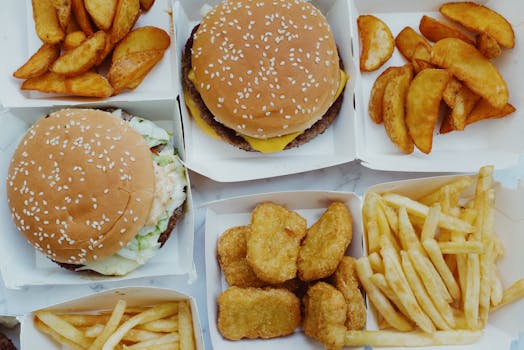
One of the most common—and costly—mistakes in fast food advertising is painting an unrealistic picture of the product. Glossy, perfectly-stacked burgers and overflowing fries may look appetizing on billboards and TV spots, but the real-life versions often fall short. This visual disconnect doesn’t just disappoint customers; it can damage brand trust and even result in legal trouble.
A high-profile example occurred in 2022 when a class-action lawsuit was filed against several fast food giants, including Wendy’s and McDonald’s, for alleged “false advertising.” Plaintiffs argued that the advertised burgers appeared much larger and more robust than what was served. According to the lawsuit, the depicted burgers were at least 15-20% larger than their real-world counterparts.
.png) The impact of such overpromising is significant:
- 54% of consumers report feeling disappointed when food doesn’t match ads (Morning Consult, 2021).
- Social media amplifies these letdowns, with viral side-by-side photo comparisons quickly gaining traction.
How to avoid this mistake:
- Use honest, high-quality photography that accurately reflects the product.
- Train teams to prepare food that closely matches marketing visuals.
- Set realistic expectations in ads, focusing on taste and freshness rather than exaggerated size or toppings.
The impact of such overpromising is significant:
- 54% of consumers report feeling disappointed when food doesn’t match ads (Morning Consult, 2021).
- Social media amplifies these letdowns, with viral side-by-side photo comparisons quickly gaining traction.
How to avoid this mistake:
- Use honest, high-quality photography that accurately reflects the product.
- Train teams to prepare food that closely matches marketing visuals.
- Set realistic expectations in ads, focusing on taste and freshness rather than exaggerated size or toppings.
Tone-Deaf Messaging and Cultural Missteps
Fast food is global, but advertising that works in one culture can fall flat—or offend—in another. Misjudging cultural norms, holidays, or local sensitivities has led to some of the industry’s most notorious campaign failures.
For instance, Burger King’s 2019 International Women’s Day tweet—“Women belong in the kitchen”—intended as a satirical lead-in to a scholarship announcement, was widely criticized for perpetuating sexist tropes. The backlash was immediate, and Burger King was forced to delete the tweet and issue apologies.
Another example: In 2018, KFC launched an ad in the UK mocking the shortage of chicken during a supply chain crisis. While some found it humorous, others felt it trivialized the disappointment and inconvenience faced by loyal customers.
To prevent tone-deaf messaging: - Involve diverse voices in the campaign creation process. - Conduct cultural sensitivity reviews before launch. - Consider localizing campaigns rather than running a one-size-fits-all global strategy.Ignoring Shifting Consumer Values and Trends
Consumer expectations for fast food have changed dramatically in the past decade. Health, sustainability, transparency, and even corporate ethics now significantly influence buyer behavior, especially among Millennials and Gen Z. Brands that ignore these trends risk appearing out-of-touch or inauthentic.
A telling statistic: 67% of consumers say they are more likely to buy from brands that align with their values (Edelman Trust Barometer, 2023).
Some fast food chains have stumbled by doubling down on traditional messages—such as “bigger is better” or “indulgence without limits”—while their audience increasingly seeks healthier, ethical, or plant-based options. For example, Pizza Hut’s “Cheeseburger Pizza” campaign in 2013 was widely mocked and failed to resonate with a health-conscious public.
How to align with evolving values: - Highlight transparency in sourcing and ingredient quality. - Promote menu innovations that meet dietary preferences (e.g., plant-based, gluten-free). - Support causes and issues that matter to your core demographic, but do so authentically—avoid “greenwashing” or opportunistic activism.Neglecting the Power—and Risks—of Social Media
Social media is a double-edged sword for fast food brands. When campaigns go viral for the right reasons, they can turbocharge sales and brand awareness. But missteps on platforms like Twitter, TikTok, or Instagram can escalate into PR crises at lightning speed.
Consider the infamous 2017 Pepsi ad starring Kendall Jenner, in which images of protests were trivialized, sparking widespread outrage. While not strictly fast food, the lesson applies: attempts at “relatable” or “woke” marketing can easily miss the mark.
Fast food brands often try to jump on trends or memes, but forced attempts at humor or youth culture can backfire. In 2020, McDonald’s UK tried to capitalize on the “#McBroken” app—a fan-made site showing which ice cream machines were broken—but their response was seen as dismissive rather than engaging, disappointing fans hoping for a real solution.
How to avoid social media pitfalls: - Employ dedicated social listening teams to monitor sentiment in real-time. - Test content with target audiences before going live. - Respond quickly, transparently, and with humility when mistakes are made.Comparing Fast Food Advertising Blunders: A Data Overview
The following table highlights some of the most significant fast food advertising mistakes of the past 15 years, their impacts, and what brands learned from them.
| Brand | Year | Campaign/Mistake | Impact | Lesson Learned |
|---|---|---|---|---|
| Burger King | 2019 | Insensitive Women’s Day Tweet | Global backlash, campaign pulled, apology issued | Importance of context and cultural sensitivity |
| KFC (UK) | 2018 | Chicken Shortage Humor | Mixed public reaction, some negative press | Balance humor with empathy for customer issues |
| Wendy’s & McDonald’s | 2022 | Misleading Burger Ads | Class-action lawsuits, loss of consumer trust | Show products as they are, not as wished |
| Pizza Hut | 2013 | Cheeseburger Pizza | Public ridicule, poor sales | Align innovations with consumer trends |
| McDonald's (UK) | 2020 | #McBroken Response | Fan disappointment, missed engagement | Address real concerns, not just social trends |
This overview demonstrates that even the largest brands with massive marketing budgets can stumble—and that the consequences range from lost sales to lasting reputational damage.
Failing to Adapt Messaging in Crisis Situations
The COVID-19 pandemic underscored the need for agility and sensitivity in fast food advertising. Brands that stuck to “business as usual” messaging—ignoring public health fears, job losses, or changing consumer habits—were criticized as tone-deaf or opportunistic.
For example, some chains initially promoted dine-in deals during lockdown periods, sparking backlash for encouraging unsafe behavior. Others, like Domino’s, quickly pivoted to emphasize contactless delivery, safety protocols, and community support, which resonated with anxious customers.
Best practices for crisis communications: - Monitor changes in consumer mood and adapt messaging quickly. - Prioritize transparency and safety information. - Pause or revise campaigns that may come off as insensitive in a changed context.Why Learning from Fast Food Advertising Mistakes Matters
The stakes in fast food advertising are high. With huge budgets and millions of daily customers, mistakes can quickly spiral out of control. But every misstep is also a learning opportunity—for brands and marketers everywhere.
Avoiding these common pitfalls requires a blend of honesty, cultural awareness, adaptability, and a willingness to listen to the audience. Brands that get it right can build trust, loyalty, and even turn occasional slip-ups into long-term wins by responding with humility and action.
Ultimately, the most successful fast food campaigns are those that deliver on their promises, respect their audience, and evolve with the times. By studying the industry’s biggest mistakes, marketers can create advertising that not only grabs attention but stands the test of time.