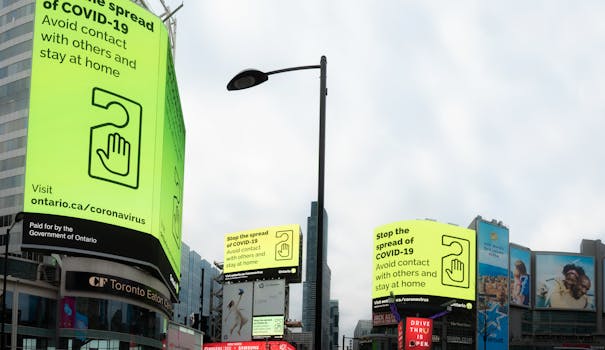
The COVID-19 pandemic transformed nearly every aspect of our daily lives, from how we work and shop to the way we connect with each other. One industry that experienced a particularly dramatic shift was advertising. As lockdowns swept the globe and consumer priorities changed overnight, brands faced an unpredictable landscape. This forced advertisers to rethink not only what messages they delivered, but also how, where, and when those messages reached audiences. In this article, we’ll explore how advertising campaigns adapted during the pandemic, what strategies emerged, and the lessons marketers are carrying forward into a new era of digital engagement.
The Pandemic's Immediate Impact on Advertising Campaigns
When COVID-19 first hit, global advertising spending took a sharp hit. According to Statista, the global ad market shrank by 4.1% in 2020, with spending dropping from $586 billion in 2019 to $562 billion. Travel, hospitality, and in-person retail advertisers slashed their budgets, and many paused campaigns altogether, wary of appearing out of touch or insensitive during a global crisis.
At the same time, consumer behavior changed quickly. With more people at home, online media consumption surged. Nielsen reported that overall TV usage in the U.S. rose by nearly 18% in March 2020 compared to the previous year, while streaming saw a 74% increase. Social media platforms like TikTok and Instagram experienced explosive growth, and e-commerce adoption accelerated by years in just a few months. Advertisers had to pivot rapidly, focusing on new channels and rethinking campaign objectives.
.png)
Shifting Creative Strategies: Empathy, Relevance, and Authenticity
Perhaps the most significant change in advertising campaigns during the pandemic was the tone and content of messages. Brands quickly realized that traditional hard-sell tactics risked alienating consumers facing uncertainty, health risks, and economic hardship. According to research by Kantar, 77% of consumers expected brands to “talk about how they are helpful in the new everyday life,” while 70% wanted brands to provide reassurance and support.
Many brands responded with campaigns emphasizing empathy, safety, and community. For example:
- Ford’s “Built to Lend a Hand” campaign offered payment relief to customers. - Coca-Cola paused commercial advertising for several months, redirecting funds to support COVID-19 relief efforts. - Guinness’s St. Patrick’s Day ad focused not on celebration, but on resilience and togetherness, ending with “We’ll march again.”Authenticity became the new gold standard. Brands that acknowledged the reality of the pandemic and aligned their actions with their messages earned consumer trust. According to Edelman’s 2020 Trust Barometer, 71% of respondents said they would lose trust in a brand if they perceived it putting profit over people.
Media Mix Evolution: Digital Acceleration and New Platforms
The pandemic hastened the decline of traditional media channels like print and out-of-home (OOH) advertising, both of which saw double-digit drops in spend. At the same time, digital advertising surged. According to eMarketer, digital ad spending in the U.S. grew by 12.2% in 2020, reaching $140 billion, as brands shifted budgets to meet audiences where they were: online.
Some of the most notable shifts included:
- A 39% increase in social media ad spend in 2020, according to Sprout Social. - More than 80% of U.S. businesses increased their investment in video content, especially on platforms such as YouTube and TikTok. - Significant growth in programmatic and addressable TV, as advertisers sought greater flexibility and targeting.Table: Comparison of Pre-Pandemic vs. Pandemic-Era Ad Channel Performance
| Ad Channel | 2019 Spend (Global) | 2020 Spend (Global) | Year-Over-Year Change |
|---|---|---|---|
| TV | $180B | $168B | -6.7% |
| Digital | $325B | $365B | +12.3% |
| $54B | $43B | -20.4% | |
| OOH | $39B | $28B | -28.2% |
| Social Media | $84B | $117B | +39.3% |
The clear winners were digital and social media, with platforms like TikTok and Instagram Reels emerging as essential venues for brand engagement. Live-streaming, influencer partnerships, and interactive content all saw a surge in both popularity and effectiveness.
Hyper-Local and Agile Targeting
The pandemic created a patchwork of local realities, with restrictions, case numbers, and reopening plans differing from city to city. National campaigns often felt out of sync, so savvy advertisers embraced hyper-local targeting. According to a 2021 survey by IAB, 65% of brands increased their use of geotargeted campaigns during the pandemic.
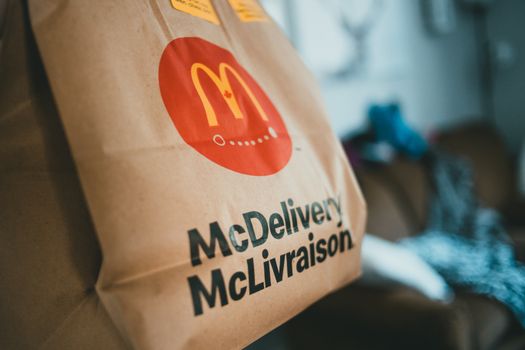
This trend was most pronounced in sectors like retail, food delivery, and healthcare. For example, restaurant chains ran location-specific ads reflecting local hours, delivery options, and safety protocols. Pharmacies and healthcare providers used digital campaigns to promote local vaccination clinics. The flexibility of digital platforms and programmatic advertising made these granular strategies possible.
Agility also became a defining feature. With conditions changing rapidly, advertisers adopted shorter campaign cycles, rapid testing, and real-time optimization. According to a 2021 WARC study, 54% of marketers reported increasing their use of real-time data and analytics during the pandemic to inform quick pivots in messaging and media placement.
E-Commerce Integration and Shoppable Media
With the closure of brick-and-mortar stores, e-commerce exploded. Adobe reported that U.S. online sales grew by 44% in 2020, reaching $861 billion. Advertisers responded by blurring the lines between content and commerce, making it easier for consumers to move from seeing an ad to making a purchase.
Key tactics included:
- Shoppable posts and stories on Instagram and Facebook, allowing direct product purchases. - Live-stream shopping events, popularized in China and rapidly adopted by Western brands. - Partnerships with platforms like Shopify and BigCommerce to enable seamless checkout experiences within ads.One standout example is Levi’s, which launched a live shopping event in partnership with TikTok that generated over 300% increase in product views. Similarly, beauty brands like Estée Lauder used augmented reality (AR) try-on tools within ads to drive higher conversion rates.
Purpose-Driven Campaigns and Social Responsibility
The pandemic, coupled with global movements for social justice, pushed brands to take stronger stances on social and environmental issues. Consumers increasingly expected brands to act with purpose, not just profit. According to a Zeno Group study, consumers are four times more likely to purchase from a brand they perceive as purpose-driven.
During the pandemic:
- Over 40 major brands, including Unilever and Procter & Gamble, participated in campaigns promoting handwashing and public health. - Companies like Airbnb supported healthcare workers with free housing, and Uber offered free rides to vaccination sites. - Many brands, such as Nike, launched initiatives supporting small businesses and frontline workers.Purpose-driven messaging was no longer a “nice-to-have” but a necessity for building trust and loyalty in uncertain times.
Lasting Lessons: The Future of Advertising Campaigns Post-Pandemic
As the world gradually recovers and adapts to a post-pandemic reality, some advertising trends are likely here to stay. The acceleration of digital transformation, the importance of authenticity, and the integration of commerce and content have permanently altered the advertising playbook.
Key takeaways for future campaigns include:
- Flexibility and agility will remain essential. Brands must be ready to pivot in response to external events and shifting consumer sentiments. - Digital-first strategies are now the standard, with ongoing investment in new platforms and shoppable media. - Purpose and empathy are not just crisis tactics; they are foundational to brand trust and loyalty. - Data-driven, hyper-local targeting enables relevance at scale and will continue to grow in importance.By embracing these lessons, advertisers can build more resilient, responsive, and effective campaigns—no matter what the future holds.