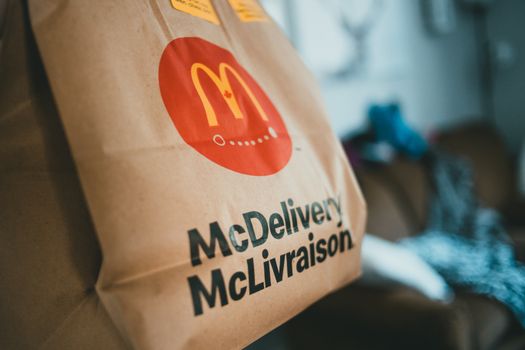
A successful marketing plan is the foundation for any thriving fast food business. In an industry valued at over $931 billion globally as of 2023, standing out from the competition is no small feat. The fast food sector is not only crowded but also incredibly dynamic, with consumer preferences shifting rapidly and new trends emerging almost overnight. Whether launching a new brand, opening a new location, or seeking to revitalize existing operations, crafting an effective marketing plan is critical to drive foot traffic, increase sales, and build lasting customer loyalty.
But what exactly makes a marketing plan for fast food successful? Beyond catchy slogans and appealing billboards, there are key elements that underpin the most effective strategies. This comprehensive guide delves into those essential components, providing actionable insights and real-world examples to help fast food business owners, managers, and marketers chart a path to sustained growth.
Understanding Your Audience: The Foundation of Fast Food Marketing
At the heart of every powerful marketing plan is a deep understanding of the target audience. Fast food customers are a diverse group, ranging from busy professionals and students to families seeking quick, affordable meals. To market effectively, brands must segment their audience and tailor messaging, offers, and product selections accordingly.
.png)
For instance, in the United States, nearly 37% of adults consume fast food on any given day, according to the Centers for Disease Control and Prevention (CDC). However, the motivations behind these purchases vary. Millennials may prioritize convenience and digital ordering, while parents focus on value, meal bundles, and kid-friendly options.
Successful fast food marketing plans use a combination of demographic (age, gender, income), psychographic (lifestyle, values), and behavioral (frequency, time of purchase) data to identify key customer segments. Tools such as customer surveys, loyalty programs, and social media analytics can uncover insights into customer preferences and pain points.
Example: Taco Bell’s “Live Más” campaign resonated with younger consumers by focusing on adventurous flavors and late-night offerings, while McDonald’s “Happy Meal” continues to appeal to families with young children through toys and value bundles.
Product Positioning and Menu Innovation
Product positioning—how a fast food brand differentiates itself in the minds of consumers—is a pivotal element of any marketing plan. In a crowded marketplace, brands must establish a unique value proposition that highlights what makes their offerings stand out. Is it speed, value, taste, health-conscious options, or a combination?
Menu innovation plays a crucial role here. Fast food brands that regularly update their menus to reflect emerging trends and customer feedback are often the most successful. For example, the global rise in plant-based eating prompted Burger King to introduce the Impossible Whopper, which quickly became one of the chain’s best-selling items. According to a 2022 report by Technomic, 36% of consumers say they are more likely to visit restaurants that offer plant-based options.
Pricing strategies also fall under product positioning. Value menus, limited-time offers, and combo deals are proven tactics for appealing to price-sensitive customers without eroding profit margins.
The table below shows how different fast food chains position themselves through menu innovation and product differentiation:
| Brand | Key Positioning | Recent Menu Innovation | Target Audience |
|---|---|---|---|
| McDonald's | Family-friendly, consistency, global presence | McPlant, all-day breakfast, celebrity meal collaborations | Families, young adults, global customers |
| Taco Bell | Bold flavors, value pricing, late-night | Vegetarian menu, Nacho Fries, limited-time collaborations | Young adults, students |
| Chick-fil-A | Quality chicken, superior service, community focus | Spicy Deluxe Sandwich, seasonal milkshakes | Families, quality-focused consumers |
| Burger King | Flame-grilled, value, innovation | Impossible Whopper, $5 Your Way Meal | Value seekers, flexitarians |
Omnichannel Promotion: Integrating Online and Offline Strategies
In today’s digital age, a successful fast food marketing plan must include an omnichannel approach—seamlessly integrating online and offline promotional activities. The goal is to create a consistent brand experience, whether customers engage in-store, via mobile apps, on social media, or through third-party delivery platforms.
Digital marketing has become increasingly critical. A 2023 report by the National Restaurant Association found that 60% of restaurant orders are now placed online, with fast food leading the charge. Social media campaigns, influencer partnerships, geotargeted ads, and email marketing are all powerful tools for driving brand awareness and customer engagement.
Offline, point-of-sale promotions, in-store signage, and local sponsorships continue to play a vital role, especially for reaching walk-in customers and building community connections.
An effective omnichannel plan might include: - App-exclusive deals to drive digital adoption - Social media contests that reward sharing and tagging - QR codes on packaging linking to loyalty programs or surveys - Localized promotions tied to community eventsBrands like Wendy’s have excelled by blending snarky, viral social media content with traditional TV ads and in-store promotions, creating a cohesive brand voice across all channels.
Leveraging Data and Technology for Smarter Marketing
Data-driven decision-making is revolutionizing the way fast food brands design and execute their marketing plans. From customer relationship management (CRM) systems to artificial intelligence-powered analytics, today’s marketers have unprecedented tools at their disposal to analyze performance and optimize campaigns in real time.
Key areas where data and technology elevate fast food marketing include: - $1 Using purchase history and preferences to deliver tailored promotions via app notifications, email, or SMS. - $1 Leveraging historical data and market trends to predict demand and manage inventory, reducing waste and out-of-stocks. - $1 Natural language processing tools can analyze online reviews and social media mentions to identify trends and address issues quickly. - $1 Sending special offers to customers’ mobile devices when they are near a location, boosting impulse visits.According to a 2024 Deloitte survey, 70% of quick service restaurant (QSR) chains plan to increase their investment in digital and data analytics within the next two years, recognizing the competitive advantage gained through smarter targeting and faster decision-making.
Measuring Success: Key Metrics for Fast Food Marketing Plans
A marketing plan is only as strong as its ability to deliver measurable results. Establishing clear, quantifiable objectives—and tracking the right metrics—ensures that marketing activities are aligned with business goals and generates a roadmap for continuous improvement.
Essential metrics for fast food marketing include: - $1 The number of customers entering locations, measured via sensors or point-of-sale data. - $1 Year-over-year or quarter-over-quarter revenue increases, both in-store and through digital channels. - $1 Monitoring changes in AOV helps assess the impact of cross-selling, up-selling, and combo promotions. - $1 The percentage of returning customers, often tracked through loyalty programs. - $1 App downloads, coupon redemptions, social media interactions, and click-through rates on digital ads.For example, after launching a new mobile app and loyalty program, Starbucks reported a 12% increase in active membership and a 9% jump in U.S. store sales in 2023, highlighting the value of tracking such metrics.
Building Community and Emotional Connections
While technology and tactics are vital, the emotional dimension of marketing should not be overlooked. Fast food brands that foster a sense of community and align with customers’ values often enjoy stronger loyalty and positive word-of-mouth.
Community engagement can take many forms: - Sponsoring local sports teams or school events - Partnering with charities or organizing food drives - Celebrating local culture through limited-edition menu items or themed eventsEmotional storytelling in advertising—such as highlighting the joy of sharing a meal with family or the nostalgia of a favorite childhood treat—can also create powerful bonds. According to a 2023 Edelman Trust Barometer, 67% of consumers say they are more likely to frequent brands that demonstrate social responsibility and community involvement.
Final Thoughts: Crafting a Winning Fast Food Marketing Plan
Developing a successful marketing plan for fast food is both an art and a science. It requires a deep understanding of the target audience, a clear and differentiated product positioning, a seamless omnichannel presence, and the smart use of data and technology. But above all, it calls for authentic engagement—a connection with customers that goes beyond the transaction and builds enduring brand loyalty.
By focusing on these key elements—audience insights, menu innovation, integrated promotion, data-driven strategy, measurable objectives, and community building—fast food brands can navigate the challenges of a competitive landscape and achieve sustainable growth.