Fast food is an industry built on speed, convenience, and craveable flavors. Yet in today’s digital age, even the tastiest burgers and fries need more than just a street corner or a drive-thru to reach hungry customers. Social media has become a powerful engine for fast food promotion, allowing brands to serve up mouthwatering content to millions of potential customers with just a few clicks. Whether you’re an independent burger joint or a marketing manager for a nationwide chain, knowing how to use social media platforms effectively can be the difference between a viral sensation and a missed opportunity.
This guide dives deep into innovative, actionable ways to use social media to promote fast food—beyond the basics of posting photos or running ads. We’ll explore platform-specific strategies, timing hacks, interactive content, data-driven campaign planning, and how to turn your customers into your best promoters. Let’s get started on making your fast food brand the next big thing online.
Understanding the Power of Social Media for Fast Food Promotion
Social media is not just an optional marketing channel; it’s a necessity for fast food brands in 2024. According to Datareportal’s Digital 2024 report, there are over 5.04 billion social media users worldwide, representing nearly 63% of the global population. Over 50% of consumers say they discover new food and beverage products through social media, and nearly 80% of millennials and Gen Z users have purchased food after seeing it advertised online.
.png)
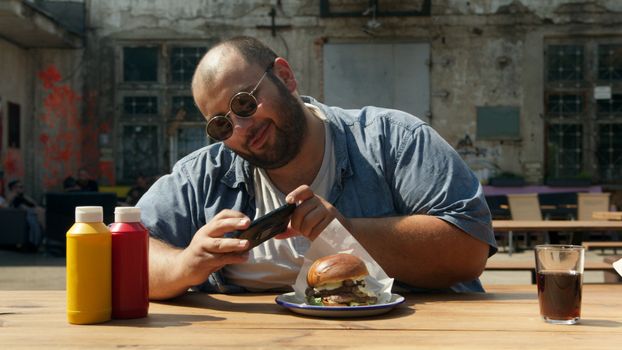
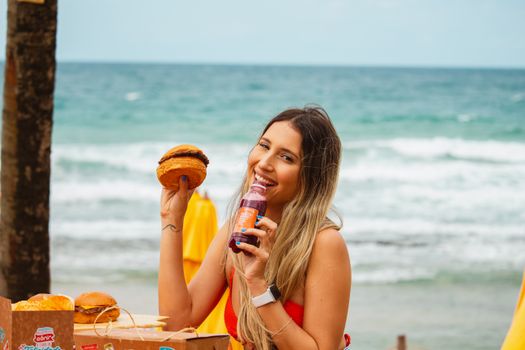
Fast food is uniquely suited for social promotion because it’s visual, shareable, and often impulse-driven. A well-timed post can trigger cravings instantly, while interactive campaigns can turn a simple meal into a trending topic.
Key benefits of social media for fast food promotion include: - Real-time engagement: Respond to trends, events, and customer feedback instantly. - Visual storytelling: Showcase new menu items, behind-the-scenes content, and food prep videos. - Community building: Foster brand loyalty and repeat visits through interactive content. - Cost-effective reach: Organic posts and viral campaigns can outperform expensive ad placements.Choosing the Right Platforms: Where Fast Food Finds Its Audience
Not all social platforms are created equal, and each has unique strengths for fast food promotion. Selecting the right mix is essential for maximizing reach and engagement. Here’s a data-driven overview:
| Platform | Audience Demographics | Best Use for Fast Food |
|---|---|---|
| 18-34, Visual-first, Urban | Photo/video showcase, Stories, influencer partnerships, UGC | |
| TikTok | 16-24, Trend-driven, Global | Short-form viral videos, challenges, behind-the-scenes, humor |
| 25-54, Broad, Family-oriented | Community updates, events, local promotions | |
| X (Twitter) | 18-49, Urban, News-focused | Real-time engagement, witty banter, customer service |
| YouTube | All ages, Long-form content fans | Recipe walkthroughs, brand storytelling, influencer reviews |
For example, Taco Bell’s playful engagement on X (formerly Twitter) has garnered them over 1.9 million followers, while McDonald’s uses TikTok to launch viral menu hacks and limited-time offers. Local fast food spots can leverage Facebook for geo-targeted promotions and event announcements.
Timing and Consistency: When and How Often to Post
Even the best content can flop if it’s posted at the wrong time or too sporadically. Social media algorithms favor brands that post consistently and engage with their audience regularly.
According to Sprout Social’s 2024 report, the best times to post for restaurants are: - Instagram: Wednesdays and Fridays, 11am to 2pm (local time) - TikTok: Tuesdays and Thursdays, 12pm to 3pm - Facebook: Mondays and Wednesdays, 12pm to 1pmAim for 3-5 posts per week on each platform, combining feed posts, Stories/Reels, and interactive content (polls, Q&As). Consistency builds brand recognition and keeps your restaurant top-of-mind when hunger strikes.
Pro tip: Use scheduling tools like Hootsuite, Buffer, or Later to plan your content calendar. Analyze your own audience insights to fine-tune posting times based on when your followers are most active.
Crafting Irresistible, Interactive Content
Static menus and generic product shots are no longer enough. To stand out, fast food brands need to serve up a feast for the eyes—and the imagination. Here are proven content formats that drive engagement:
1. Behind-the-Scenes Tours: Show how your food is made, introduce your team, or reveal what makes your kitchen unique. Chipotle’s “behind the line” TikTok series has drawn millions of views by demystifying their food prep process. 2. User-Generated Content (UGC): Encourage customers to share their own photos, reviews, or “menu hacks.” In 2023, Dunkin’ saw a 35% spike in engagement when it featured customer donut creations on its Instagram Stories. 3. Polls and Quizzes: Interactive polls (“Which new burger should we launch?”) or fun quizzes (“What type of fries are you?”) can generate hundreds of comments and shares, helping your brand trend locally or nationally. 4. Limited-Time Offers and Countdown Timers: Announcing flash deals or new menu drops with countdowns creates urgency. Wendy’s “Fry-day” Twitter countdowns have consistently trended, driving traffic to stores. 5. Food Challenges and Hashtags: Launch a branded hashtag challenge—like KFC’s #KFCCrunchChallenge—which generated over 2.3 million user-created TikToks in just two months. 6. Live Streaming: Host live Q&A sessions with chefs, real-time cooking demos, or “behind the drive-thru” tours. Facebook Live videos get on average 6x more interactions than regular videos.Leveraging Geo-Targeting and Local Community Engagement
Fast food thrives on local foot traffic. Social media offers powerful geo-targeting tools to reach customers exactly where they are.
On Facebook and Instagram, use location tags and geo-targeted ads to promote in-store events, grand openings, or limited-time local menu items. According to Facebook’s 2023 business report, location-based ads for restaurants see a 27% higher engagement rate than non-targeted ads.
Partner with local influencers or food bloggers to reach neighborhood audiences. For example, Shake Shack’s NYC-exclusive menu items promoted through local TikTok creators resulted in a 22% sales lift in Manhattan stores during the campaign period.
Engage with local events—sponsor a community fair, host a pop-up at a sports game, or create special offers for nearby office workers. Highlight these partnerships on your social channels and encourage UGC from attendees.
Analyzing Data and Optimizing for Results
Every social platform provides analytics to track what works—and what doesn’t. Successful fast food promotion is an ongoing process of testing, learning, and adjusting.
Key metrics to monitor: - Engagement Rate: Likes, comments, shares, and saves per post. - Reach & Impressions: How many unique users saw your content. - Click-Through Rate (CTR): Percentage of viewers who clicked to order or learn more. - Conversion Rate: Percentage of social visitors who made a purchase.Case in point: Burger King’s “Whopper Detour” campaign, which offered users a 1-cent Whopper if they ordered through the app within 600 feet of a McDonald’s, was tracked in real-time on social media. The campaign resulted in 1.5 million app downloads—triple the initial target.
Regularly review your analytics dashboard and adjust your content strategy. Double down on formats and topics that drive the most engagement and refine your posting schedule based on performance.
Turning Customers Into Brand Ambassadors
Your most powerful promoters aren’t celebrities or influencers—they’re everyday customers who love your food. Social media makes it easy to amplify their voices:
- Run photo contests: Encourage customers to post their best meal pics with a branded hashtag for a chance to win freebies or be featured on your page. - Repost top UGC: Share customer stories, reviews, or creative menu hacks to your Stories or main feed, giving credit to the creator. - Loyalty programs with social integration: Offer rewards for check-ins, reviews, or sharing posts. According to Paytronix’s 2023 loyalty study, restaurants with integrated loyalty and social programs saw a 19% increase in repeat visits.Acknowledge and respond to customer feedback—both positive and negative. Publicly thanking happy customers or addressing concerns in a personable way builds community and trust.
Key Takeaways: Social Media Success for Fast Food Brands
Promoting fast food on social media is about more than mouthwatering photos—it’s about building relationships, sparking conversations, and engaging your community in real time. By choosing the right platforms, posting at optimal times, crafting interactive content, leveraging local engagement, analyzing your data, and empowering your fans, you can turn social media into your most valuable marketing tool.
Fast food thrives on immediacy and shareability. With the right social strategy, your next menu item or campaign could be the one that everyone’s talking about—and craving.