Fast food advertising is a fast-evolving field, constantly adapting to shifting consumer expectations, technological advances, and regulatory changes. As we approach 2025, the industry is poised for significant transformation, driven by a new generation of consumers, emerging digital platforms, and innovative marketing strategies. What can we expect from fast food advertising in 2025? This article dives deep into the latest trends shaping the future of the industry, offering exclusive insights, real-world examples, and data-backed predictions to help you understand what’s next.
Personalization at Scale: AI-Powered Fast Food Advertising
Personalization has been a buzzword in marketing for years, but in 2025, it’s set to revolutionize fast food advertising like never before. Artificial intelligence (AI) and machine learning are enabling brands to deliver hyper-targeted ads that resonate with individual preferences, dietary needs, and even moods.
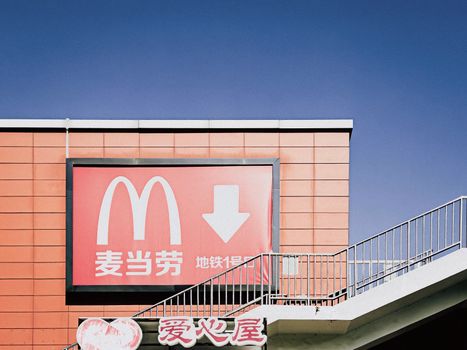
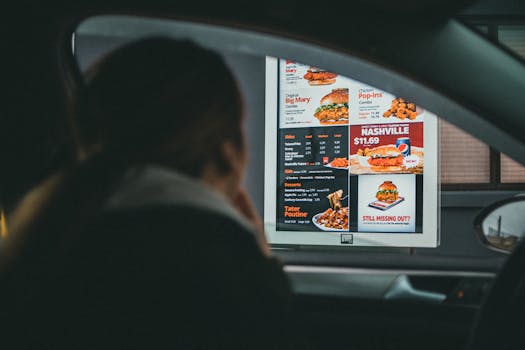
Major players such as McDonald’s and Burger King are investing millions in AI-driven marketing platforms that analyze customer data from loyalty apps, online orders, and social media activity. For example, McDonald’s acquisition of Dynamic Yield in 2019 empowered the chain to personalize drive-thru menus based on factors like time of day, weather, and trending menu items—a trend that’s only expanding.
.png)
By 2025, expect AI to further tailor ad content in real time. Imagine receiving a push notification for a plant-based burger just as you approach a fast food restaurant, or seeing a limited-time offer on your smartwatch when searching for lunch options online. According to a 2023 Statista report, 63% of consumers are more likely to engage with ads that are tailored to their interests, highlighting the growing demand for individualized experiences.
Immersive Experiences: Augmented and Virtual Reality Campaigns
Augmented reality (AR) and virtual reality (VR) are breaking new ground in fast food advertising, creating memorable, interactive campaigns that go far beyond traditional TV spots or online banners. In 2025, these technologies are set to become mainstream tools for driving engagement and brand loyalty.
Brands like Taco Bell and Wendy’s have already experimented with AR filters on platforms like Snapchat and Instagram, allowing users to virtually try on branded merchandise or “see” menu items in their own kitchens. Looking ahead, the integration of AR and VR into mobile apps will enable customers to explore virtual restaurants, customize orders in 3D, and even participate in gamified loyalty programs. For instance, a customer could unlock exclusive menu items by completing a VR scavenger hunt or share their virtual fast food experience on social media for rewards.
The global AR and VR advertising market is projected to surpass $8.2 billion by 2025, according to MarketsandMarkets, reflecting the growing appetite for immersive, tech-driven experiences among younger consumers, especially Gen Z.
Sustainable Messaging: Eco-Conscious Advertising Takes Center Stage
Sustainability is no longer a niche concern—it’s a defining issue for the fast food industry and its advertising strategies. As climate change and environmental impact become top-of-mind for consumers, fast food brands are increasingly spotlighting their green initiatives in advertising campaigns.
In 2025, expect to see more ads promoting plant-based menu items, recyclable packaging, and energy-efficient restaurant operations. For example, Subway’s 2024 campaign highlighted its transition to compostable wrappers, while Starbucks has pledged to halve its carbon footprint by 2030—a message featured prominently in digital ads and in-store displays.
Sustainable messaging isn’t just good PR; it’s smart business. A 2024 Nielsen survey found that 72% of global consumers are willing to pay more for products and services from companies committed to positive social and environmental impact. Fast food chains are responding by weaving eco-conscious stories into their brand narratives, leveraging storytelling and influencer partnerships to showcase their commitment to a greener future.
Short-Form Video Dominance: TikTok, Reels, and Snackable Content
The meteoric rise of TikTok, Instagram Reels, and YouTube Shorts has transformed how fast food brands connect with audiences, especially younger demographics. In 2025, short-form video will remain the dominant format for fast food advertising, with brands crafting catchy, entertaining, and often viral content.
Fast food chains are partnering with popular creators to launch challenges, reviews, and behind-the-scenes glimpses that encourage user participation. Take, for instance, the viral #WhopperDance challenge on TikTok, which garnered over 1.5 billion views and led to a 5% increase in Burger King app downloads in 2023. Short-form videos are ideally suited for showcasing limited-time offers, new menu items, and creative brand storytelling.
According to HubSpot’s 2024 Marketing Trends report, videos under 60 seconds generate 2.5 times more engagement than longer content across social platforms. As attention spans shrink and competition for eyeballs intensifies, fast food marketers are investing heavily in snackable content that’s easy to share, watch, and remember.
Data Overview: Comparing Fast Food Advertising Trends 2020 vs. 2025
To illustrate the dramatic shift in fast food advertising, consider this comparative overview of key trends:
| Trend | 2020 | 2025 (Projected) |
|---|---|---|
| Personalization | Basic geo-targeting, limited to offers and coupons | Real-time, AI-driven personalization across all touchpoints |
| AR/VR Campaigns | Experimental, limited to select apps | Widespread adoption, integrated into loyalty programs and mobile apps |
| Sustainable Messaging | Occasional mentions, reactive to criticism | Core brand narrative, proactive and transparent |
| Short-Form Video | Emerging, mostly Instagram Stories | Mainstream, multi-platform (TikTok, Reels, Shorts) |
| Influencer Partnerships | Celebrity endorsements, macro-influencers | Micro- and nano-influencers, authentic UGC (user-generated content) |
This table highlights how fast food advertising has evolved from broad, generic campaigns to highly engaging, tech-enabled, and values-driven experiences.
Regulatory and Ethical Shifts: Navigating New Advertising Standards
As fast food advertising becomes more sophisticated, it’s also facing increased scrutiny from regulators and advocacy groups. By 2025, expect stricter guidelines around advertising to children, truth in advertising, and data privacy.
The World Health Organization has called for a global ban on junk food advertising to children under age 16 by 2025, while countries like the UK have already announced new regulations restricting fast food ads during children’s programming. In the US, the Children’s Food and Beverage Advertising Initiative (CFBAI) continues to update its standards, pushing brands to promote healthier options and limit the use of cartoon characters or influencers targeting young audiences.
At the same time, consumers are demanding greater transparency about data usage and ad targeting. With the phaseout of third-party cookies and the rise of privacy-first platforms, fast food marketers must strike a careful balance between effective personalization and responsible data stewardship.
The Globalization of Fast Food Campaigns: Local Flavor, Global Reach
Fast food advertising in 2025 is no longer a one-size-fits-all endeavor. As brands expand into new regions and cultures, they are adopting a “glocal” (global + local) approach, blending universal brand messages with locally resonant themes.
For example, KFC’s Lunar New Year campaigns in China focus on family and tradition, while its North American ads highlight convenience and value. McDonald’s adapts its menu and marketing to reflect local tastes, such as the McSpicy Paneer in India or the Teriyaki Burger in Japan, often collaborating with regional influencers and artists to boost authenticity.
A 2024 report by WARC found that 61% of global fast food chains saw improved campaign performance when they localized creative assets and messaging. In 2025, expect even more emphasis on cultural nuance and hyper-localized content, powered by AI-driven insights and agile campaign development.
What the Future Holds for Fast Food Advertising
The fast food advertising landscape of 2025 will be shaped by a blend of cutting-edge technology, evolving consumer values, and a complex regulatory environment. Brands that thrive will be those that embrace personalization, create immersive experiences, champion sustainability, and adapt quickly to local markets and shifting standards.
For consumers, this means more relevant, engaging, and transparent advertising—whether you’re discovering a new menu item through an AR app, participating in a viral video challenge, or learning about a brand’s environmental initiatives. As we look ahead, one thing is certain: the future of fast food advertising will be anything but bland.