Digital advertising has revolutionized nearly every sector, but its impact on the fast food industry stands out for both its scale and intensity. For decades, fast food brands relied on billboards and television jingles to entice customers. Today, digital channels like social media, mobile apps, and targeted online ads have dramatically changed how consumers interact with fast food brands—and, crucially, how they make decisions about what and where to eat. Understanding the impact of digital advertising on consumer behavior in the fast food sector is essential for businesses, marketers, and even consumers seeking to understand the forces shaping their daily choices.
How Digital Advertising Has Transformed Fast Food Marketing
The rise of digital advertising has fundamentally shifted the strategies fast food brands use to reach potential customers. According to Statista, global digital advertising spending was estimated at $626 billion in 2023, with the food and beverage sector accounting for over $29 billion of that total. Fast food giants like McDonald’s, Burger King, and Domino’s have led the charge, investing heavily in digital campaigns that blend creativity with data-driven targeting.
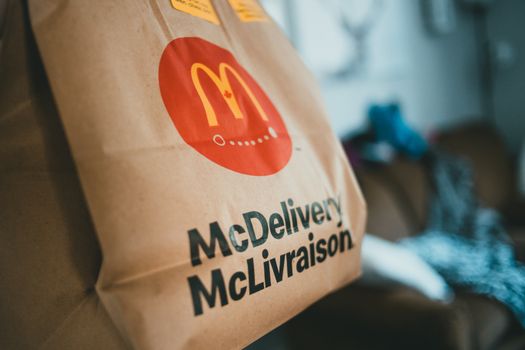
Unlike traditional advertising, digital platforms offer real-time analytics, allowing brands to quickly adjust campaigns based on performance. For example, McDonald’s used Facebook and Instagram Stories to promote its McDelivery service, reaching over 1.6 million users in a single week. Furthermore, digital ads can be personalized to users’ locations, preferences, and even previous ordering habits—capabilities that were unimaginable in the era of TV or print ads.
.png)
The Psychology Behind Digital Ad Influence on Fast Food Choices
One of the most profound impacts of digital advertising is its ability to influence consumer behavior on a psychological level. Digital ads are designed to trigger immediate responses—whether it’s a flash sale notification on a mobile app or a limited-time Instagram offer. Neuro-marketing studies have shown that visual cues, such as images of sizzling burgers or crispy fries, activate the brain’s reward centers, making viewers more likely to crave and purchase fast food.
A 2022 report from the American Psychological Association revealed that children and teenagers exposed to digital fast food ads are 2.4 times more likely to request fast food in the days following exposure compared to those who did not see such ads. The use of bright colors, engaging animations, and interactive elements (like polls or games) heightens this effect, particularly among younger audiences.
Moreover, digital platforms allow for behavioral retargeting. If a consumer clicks on a fast food ad but doesn’t purchase, they may see similar ads across different websites and apps. This repetition increases brand recall and nudges consumers toward eventual purchase—a phenomenon known as the “mere exposure effect.”
Data-Driven Personalization: The Secret Sauce of Fast Food Digital Ads
Personalization is arguably the most significant advantage digital advertising holds over traditional media. Fast food brands harness vast amounts of data—from browsing history and location to previous orders and even social media activity—to tailor ads to individual consumers.
A 2023 survey by Deloitte found that 58% of consumers are more likely to purchase from a fast food brand if the ads they see are personalized to their tastes or local deals. For example, Domino’s uses artificial intelligence to analyze customer data and deliver personalized coupon codes via SMS or push notifications. Similarly, Burger King’s mobile app tracks user preferences and offers exclusive deals based on their order history.
The following table compares key personalization methods used by leading fast food brands:
| Brand | Personalization Technique | Reported Impact |
|---|---|---|
| McDonald’s | Geo-targeted mobile ads and app-based recommendations | Increased mobile orders by 25% in select markets (2022) |
| Domino’s | AI-driven order predictions and personalized coupons | 20% rise in repeat app orders after campaign launch |
| Burger King | Behavior-based push notifications and loyalty rewards | App downloads rose by 37% during targeted promo periods |
This level of customization not only boosts sales but also enhances customer loyalty, as consumers feel seen and valued by their favorite brands.
Social Proof and User-Generated Content: Trust in the Digital Age
Digital advertising in the fast food sector increasingly leverages social proof—evidence that other people are buying, enjoying, or recommending a product. Platforms like Instagram, TikTok, and Twitter have become hotbeds for user-generated content (UGC), where customers share their meal experiences, rate new menu items, or participate in branded challenges.
A 2023 YouGov study found that 62% of fast food consumers said they were more likely to try a new menu item if they saw friends or influencers post about it online. Fast food brands encourage this behavior by creating branded hashtags, offering incentives for sharing photos, or partnering with social media personalities.
For example, Wendy’s “#NuggsForCarter” campaign went viral on Twitter, reaching over 3.4 million retweets and driving a significant uptick in chicken nugget sales. By integrating UGC into their digital ads, brands not only cut advertising costs but also tap into the powerful effect of peer influence.
Mobile Apps and the Rise of Instant Gratification
The proliferation of mobile apps is another key driver of changing consumer behavior in the fast food space. Today, over 60% of fast food orders in the U.S. are placed via mobile apps or third-party delivery platforms, according to the National Restaurant Association. These apps combine digital advertising with seamless ordering, exclusive deals, and loyalty rewards, making it easier than ever for consumers to act on advertising prompts.
Push notifications are particularly effective. In a 2021 survey by Localytics, 48% of app users said they were more likely to make a purchase after receiving a personalized push notification from a fast food app. This underscores the power of digital advertising to create a sense of urgency—whether it’s a “limited-time deal” or a “flash sale” on combo meals.
Additionally, gamified experiences within apps—such as spinning a digital wheel for discounts or earning badges for frequent visits—encourage repeat business and deepen brand engagement.
Ethical Considerations: The Double-Edged Sword of Digital Fast Food Advertising
While digital advertising offers undeniable benefits for fast food brands and consumers seeking convenience, it also raises important ethical questions. Critics argue that hyper-targeted ads, especially those aimed at children and teens, can contribute to unhealthy eating habits and rising obesity rates. The World Health Organization has called for stricter regulations on digital marketing of unhealthy foods to minors.
Transparency is another concern. A 2022 Pew Research Center survey found that 54% of consumers are uncomfortable with how much data is collected about their online activities, even if it results in more relevant ads. In response, some brands have begun to offer clearer privacy policies and opt-out features, though these are not yet industry standard.
Despite these challenges, digital advertising in the fast food sector shows no signs of slowing down. Consumer demand for convenience and personalized experiences continues to grow, and brands are likely to keep pushing the boundaries of what’s possible in digital marketing.
Looking Ahead: The Future of Digital Advertising and Fast Food Consumer Behavior
As technology evolves, so too will the impact of digital advertising on consumer behavior in the fast food sector. The integration of artificial intelligence, augmented reality, and even voice-activated ads promises to make digital campaigns even more immersive and effective.
For example, some fast food chains are experimenting with AR filters on Snapchat and Instagram that let users virtually “try” menu items before ordering. AI-powered chatbots can recommend meals based on dietary preferences or trends. And as smart speakers like Amazon Echo become more common, voice search optimization will become a new frontier in digital fast food advertising.
Ultimately, the brands that succeed will be those that balance innovation with responsibility—using digital tools to delight and engage consumers while respecting their privacy and promoting healthier choices.