Advertising to children has long been a subject of fascination, innovation, and even controversy. Nowhere is this more evident than in the world of toys, where imaginative play collides with the persuasive power of media. For more than a century, ad campaigns have not just sold toys—they’ve profoundly shaped the children’s toys industry, influencing everything from product design to global toy trends and even parenting practices. In this article, we’ll explore how ad campaigns have transformed the toy market across generations, examine their impact on culture and consumer behavior, and look at the evolving landscape of toy advertising in the digital era.
The Birth of Toy Advertising: From Print to Radio
In the early 20th century, toy advertising was a modest affair. Simple print ads in newspapers and catalogs dominated, relying on charming illustrations and brief copy to entice parents. The toy industry was relatively small—according to the Toy Association, US toy sales in 1945 were under $100 million, a fraction of today’s multi-billion-dollar market.
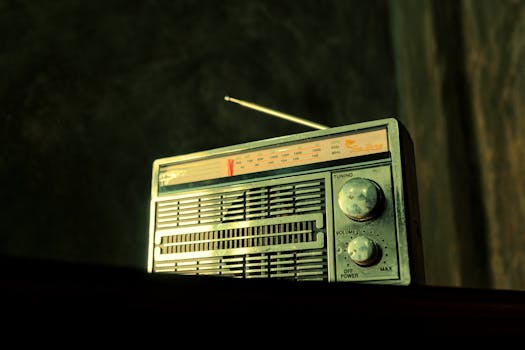
Everything began to change with the rise of radio. By the late 1940s, radio commercials brought toys to life with sound, catchy jingles, and even serialized adventures. The Lionel Train Company, for example, became a household name thanks to its sponsorship of radio shows targeting families. The immediacy of radio advertising marked a shift: toys were no longer just gifts for special occasions, but essential items for every home.
.png)
Television and the Toy Boom: The Golden Era of Toy Ads
The real revolution arrived with television. By the 1950s and 1960s, TV sets became common in American households, and so began the golden age of toy advertising. This era introduced some of the most iconic toy campaigns ever:
- $1 The first Barbie commercial aired during "The Mickey Mouse Club," reaching millions of children directly. Within the first year, 350,000 Barbie dolls were sold. - $1 Marketed as the “action figure” for boys, G.I. Joe commercials emphasized adventure and collectibility, sparking the first true toy craze. - $1 Colorful, action-packed TV spots turned die-cast cars into must-have items, helping Mattel sell over 16 million cars in the first year.Television gave toys personalities, backstories, and universes. Saturday morning cartoons became prime advertising real estate, with entire programs (like "He-Man" and "Transformers") essentially serving as long-form toy commercials. By 1985, US toy sales had soared to $12 billion annually, much of it driven by aggressive TV advertising.
Regulation and Responsibility: Shaping Advertising Ethics
As toy commercials became increasingly sophisticated, concerns mounted about their impact on children. In 1974, the US Federal Communications Commission (FCC) imposed restrictions on television advertising to children, limiting ad time during kids’ programming and requiring clear distinctions between content and commercials.
The Children’s Television Act of 1990 further tightened regulations, capping commercial time to 10.5 minutes per hour on weekends and 12 minutes per hour on weekdays. The UK and several EU countries went further, banning direct advertising to children under certain ages.
These regulations forced toy companies to adapt. Many brands shifted to targeting parents in family programming or used “stealth marketing” techniques, such as product placements in movies and cartoons. These changes not only made advertising more creative, but also more nuanced in its approach to young audiences.
The Digital Age: Personalized Campaigns and New Platforms
The arrival of the internet and digital media in the late 1990s and early 2000s brought another seismic shift. Toy companies embraced websites, interactive games, and later, social media platforms. By 2023, over 70% of US children ages 5-12 had access to a smartphone or tablet, and 63% watched YouTube weekly, according to Common Sense Media.
Digital ad campaigns enabled unprecedented personalization. Instead of just broadcasting, brands could now target children and parents with ads tailored to their interests and online behaviors. LEGO, for instance, launched LEGO Life, a safe social network for kids to share creations and interact with brand content. Roblox, an online gaming platform with over 70 million daily active users in 2024, became a playground for branded virtual toys and experiences.
Influencer marketing also became a major force. Channels like Ryan’s World (over 36 million YouTube subscribers) and unboxing videos helped launch products like Hatchimals and LOL Surprise! into the stratosphere. In 2018, LOL Surprise! dolls generated $4.8 billion in global sales, much of it attributed to viral online campaigns.
Impact on Toy Trends and Child Development
Ad campaigns don’t just sell toys—they shape what toys are made, how they’re played with, and even how children see themselves. For example:
- $1 In the 1980s and 1990s, ads often reinforced gender stereotypes—pink playsets for girls, action figures for boys. Recent campaigns, however, have shifted toward inclusivity, such as Mattel’s gender-neutral Creatable World dolls in 2019. - $1 With increasing parental concern about screen time and development, ads now highlight STEM (science, technology, engineering, math) toys, coding kits, and creative play. The market for STEM toys grew by 23% between 2017 and 2022, according to The NPD Group. - $1 Environmental awareness has also entered advertising. Green Toys, for example, promotes its use of recycled materials in both ads and packaging, tapping into eco-conscious consumer trends.These shifts are not accidental—they’re direct responses to feedback from ad campaigns, focus groups, and social media conversations, proving how advertising both reflects and drives changes in the toy industry.
Comparing Traditional vs. Digital Toy Advertising
To better understand how strategies and impact have evolved, let’s compare traditional and digital toy ad campaigns:
| Aspect | Traditional Advertising (TV/Print) | Digital Advertising (Online/Social Media) |
|---|---|---|
| Target Audience | Broad (children watching TV, parents reading magazines) | Highly targeted (age, interests, location, browsing habits) |
| Interactivity | Passive (viewing/listening) | Interactive (games, polls, comments, sharing) |
| Measurement | Estimated (Nielsen ratings, sales spikes) | Precise (clicks, engagement rates, conversion tracking) |
| Cost | High (TV spots can cost $100,000+ for prime time) | Variable (social posts, influencer fees, PPC budgets) |
| Speed of Feedback | Slow (weeks or months for results) | Immediate (real-time analytics and consumer feedback) |
This evolution has made toy marketing more dynamic, responsive, and, at times, more controversial—especially regarding data privacy and the ethics of targeting children online.
The Future: New Frontiers in Toy Advertising
Looking ahead, the intersection of technology and creativity promises even more innovation in how toys are marketed:
- $1 Brands like Nerf and LEGO are experimenting with AR apps that bring toys to life on smartphones and tablets. - $1 Artificial intelligence can now tailor ads to individual viewing habits, while chatbots on toy websites answer questions and offer product suggestions 24/7. - $1 Digital platforms allow toy brands to reach international audiences instantly, adapting campaigns for different cultures and languages.At the same time, growing awareness of children’s privacy and well-being is likely to drive further regulation. In 2020, the US Children’s Online Privacy Protection Act (COPPA) was updated to include new protections for kids using apps and online games. Expect more transparency and oversight as technology advances.
Key Takeaways: How Ad Campaigns Continue to Shape the Children's Toys Industry
From the earliest print ads to today’s immersive digital campaigns, advertising has been a driving force in the children’s toys industry. It has shaped what toys are made, how they’re perceived, and what it means to play. While the methods and media have changed, the core goal remains the same: capturing the imagination of children and the trust of their parents.
As technology advances and consumer expectations evolve, the industry will continue to adapt—finding new ways to connect, inspire, and sometimes even challenge the next generation of young minds. In doing so, ad campaigns will remain at the heart of the ever-changing world of toys.